

What are the quality standards for Dipentaerythritol?
Aug 11, 2025
As a supplier of Dipentaerythritol, I understand the importance of quality standards in the chemical industry. Dipentaerythritol is a versatile chemical compound used in various applications, including coatings, plastics, and lubricants. In this blog post, I will discuss the quality standards for Dipentaerythritol and why they are crucial for both suppliers and customers.
Chemical Purity
One of the most fundamental quality standards for Dipentaerythritol is chemical purity. High - purity Dipentaerythritol ensures consistent performance in end - use applications. Typically, the purity of Dipentaerythritol should be above 95%. Impurities can affect the chemical and physical properties of the final product. For example, in coatings, impurities may cause discoloration, reduced adhesion, or poor durability.
To achieve high purity, strict manufacturing processes are required. Our production facilities are equipped with advanced purification technologies, such as distillation and crystallization, to remove impurities effectively. We also conduct regular quality control tests using high - performance liquid chromatography (HPLC) and gas chromatography (GC) to verify the purity of our Dipentaerythritol products.
Physical Properties
The physical properties of Dipentaerythritol, such as melting point, solubility, and particle size, also play a significant role in its quality. The melting point of pure Dipentaerythritol is around 218 - 222°C. Deviations from this range may indicate the presence of impurities or improper manufacturing conditions.
Solubility is another important physical property. Dipentaerythritol should have good solubility in common solvents used in its applications. For instance, in the production of polyester resins, it needs to dissolve well in glycols. Our quality control team measures the solubility of Dipentaerythritol in different solvents under specific conditions to ensure its suitability for various industrial processes.

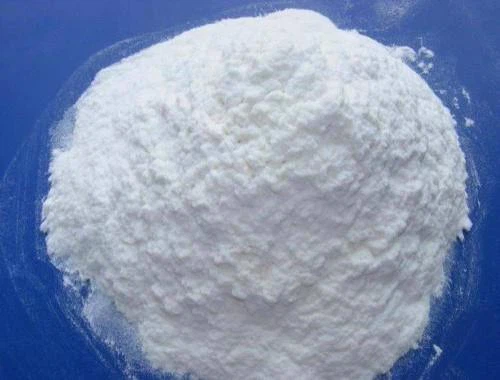
Particle size is crucial, especially when Dipentaerythritol is used in powder - based applications. A consistent particle size distribution ensures uniform mixing and better dispersion in the final product. We use advanced milling and sieving techniques to control the particle size of our Dipentaerythritol products.
Color and Appearance
The color and appearance of Dipentaerythritol are also quality indicators. High - quality Dipentaerythritol should be a white, crystalline powder. Any discoloration, such as yellowing or browning, may suggest oxidation, degradation, or the presence of impurities.
We implement strict storage and handling procedures to prevent color changes. Our products are stored in sealed containers away from direct sunlight and heat to maintain their pristine appearance. Additionally, we conduct visual inspections during the packaging process to ensure that only products with the desired color and appearance are shipped to customers.
Moisture Content
Moisture content is a critical factor in the quality of Dipentaerythritol. Excessive moisture can lead to chemical reactions during storage and transportation, such as hydrolysis, which can degrade the product. The moisture content of Dipentaerythritol should be kept below a certain level, typically less than 0.5%.
We use desiccants and moisture - proof packaging materials to control the moisture content of our products. Regular moisture tests are conducted using Karl Fischer titration to ensure that the moisture content meets the required standards.
Heavy Metal Content
Heavy metals, such as lead, mercury, and cadmium, can be harmful to human health and the environment. Therefore, the heavy metal content in Dipentaerythritol must be strictly controlled. Our products comply with international environmental regulations regarding heavy metal limits.
We use advanced analytical techniques, such as atomic absorption spectroscopy (AAS) and inductively coupled plasma mass spectrometry (ICP - MS), to detect and quantify heavy metals in our Dipentaerythritol. By keeping the heavy metal content within the allowable limits, we ensure that our products are safe for use in various applications.
Comparison with Related Chemicals
Dipentaerythritol is often compared with other similar chemicals in the industry, such as BPA and Neopentyl Glycol(NPG). While each of these chemicals has its own unique properties and applications, Dipentaerythritol offers some distinct advantages.
Compared to BPA, Dipentaerythritol is considered a more environmentally friendly alternative in many applications. BPA has raised concerns about its potential endocrine - disrupting effects, while Dipentaerythritol has a better safety profile.
Neopentyl Glycol(NPG) is also used in similar applications as Dipentaerythritol, such as in the production of polyester resins. However, Dipentaerythritol can provide higher cross - linking density, which can result in better mechanical properties and chemical resistance in the final product.
Why Quality Standards Matter
For suppliers, adhering to strict quality standards is essential for maintaining a good reputation in the market. High - quality products lead to customer satisfaction, repeat business, and positive word - of - mouth. It also helps us comply with regulatory requirements and avoid potential legal issues.
For customers, using high - quality Dipentaerythritol ensures the reliability and performance of their end - products. In industries such as automotive coatings and electronics, where product quality is crucial, the use of sub - standard chemicals can lead to product failures, costly recalls, and damage to their brand image.
Contact for Procurement
If you are interested in purchasing high - quality Dipentaerythritol, please feel free to contact us for more information and to discuss your specific requirements. We are committed to providing you with the best products and services to meet your needs.
References
- Kirk - Othmer Encyclopedia of Chemical Technology.
- Ullmann's Encyclopedia of Industrial Chemistry.
- International Chemical Safety Cards (ICSCs) for Dipentaerythritol.