

How does Neopentyl Glycol (NPG) react with reducing agents?
Oct 27, 2025
Neopentyl Glycol (NPG), a versatile organic compound, has gained significant attention in various industrial applications. As a leading supplier of Neopentyl Glycol (NPG), I am often asked about its reactivity with reducing agents. In this blog post, I will delve into the scientific details of how NPG reacts with reducing agents, exploring the underlying mechanisms, reaction conditions, and potential applications.
Chemical Structure and Properties of Neopentyl Glycol (NPG)
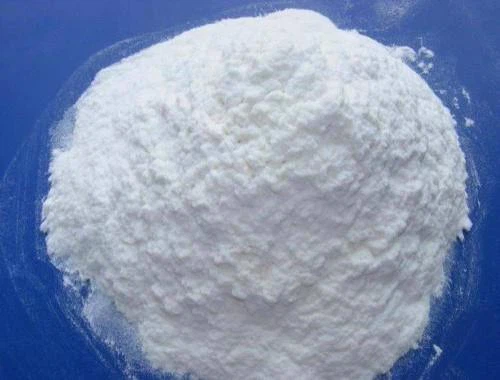
Neopentyl Glycol (NPG) has the chemical formula C₅H₁₂O₂ and a molecular weight of 104.15 g/mol. Its structure consists of a neopentyl group (a quaternary carbon atom bonded to three methyl groups and one -CH₂OH group) with two hydroxyl (-OH) functional groups. This unique structure imparts several important properties to NPG, such as high chemical stability, low volatility, and good solubility in a variety of organic solvents.
The two hydroxyl groups in NPG are the key reactive sites, which can participate in various chemical reactions, including reactions with reducing agents. These reactions are of great interest in the chemical industry, as they can lead to the formation of new compounds with different properties and applications.
Reactivity of NPG with Reducing Agents
1. Reaction Mechanisms
The reactivity of NPG with reducing agents depends on the nature of the reducing agent and the reaction conditions. Generally, reducing agents are substances that can donate electrons to other substances, causing a reduction reaction. In the case of NPG, the hydroxyl groups can be reduced to other functional groups under certain conditions.
One common type of reducing agent is metal hydrides, such as lithium aluminum hydride (LiAlH₄) and sodium borohydride (NaBH₄). These metal hydrides can react with the hydroxyl groups of NPG through a nucleophilic substitution reaction. For example, when LiAlH₄ reacts with NPG, the hydride ion (H⁻) from LiAlH₄ attacks the carbon atom of the -CH₂OH group, resulting in the formation of an alkoxide intermediate. This intermediate can then react with water to form an alcohol with a lower oxidation state.
Another type of reducing agent is catalytic hydrogenation agents, such as palladium on carbon (Pd/C) and Raney nickel. In the presence of these catalysts, NPG can react with hydrogen gas (H₂) under high pressure and temperature. The reaction mechanism involves the adsorption of hydrogen molecules on the catalyst surface, followed by the transfer of hydrogen atoms to the hydroxyl groups of NPG. This process can lead to the reduction of the hydroxyl groups to alkyl groups.
2. Reaction Conditions
The reaction of NPG with reducing agents is highly dependent on the reaction conditions, such as temperature, pressure, solvent, and the molar ratio of the reactants. For example, the reaction with metal hydrides usually requires anhydrous conditions, as these hydrides are highly reactive with water. The reaction temperature can also affect the reaction rate and selectivity. In general, higher temperatures can increase the reaction rate, but they may also lead to side reactions.

When using catalytic hydrogenation, the reaction is typically carried out in a sealed reactor under high pressure of hydrogen gas. The choice of solvent is also important, as it can affect the solubility of the reactants and the activity of the catalyst. Common solvents used in these reactions include ethanol, methanol, and tetrahydrofuran (THF).
3. Products and Applications
The reaction of NPG with reducing agents can lead to the formation of various products, depending on the reaction conditions and the type of reducing agent used. For example, the reduction of NPG with metal hydrides can produce neopentyl alcohol, which is a useful intermediate in the synthesis of fragrances, flavors, and pharmaceuticals.
Catalytic hydrogenation of NPG can lead to the formation of neopentane or other alkyl derivatives. These products have potential applications in the fuel industry, as they can be used as additives to improve the octane rating of gasoline.
Comparison with Other Related Compounds
To better understand the reactivity of NPG with reducing agents, it is useful to compare it with other related compounds, such as Bisphenol A and Dipentaerythritol.
Bisphenol A has two phenolic hydroxyl groups, which are more acidic and reactive than the hydroxyl groups of NPG. As a result, Bisphenol A can react with reducing agents more easily under milder conditions. The reaction products of Bisphenol A with reducing agents can be used in the production of polycarbonates and epoxy resins.
Dipentaerythritol has four hydroxyl groups, which are more sterically hindered compared to the hydroxyl groups of NPG. This steric hindrance can affect the reactivity of Dipentaerythritol with reducing agents, making the reaction more difficult and requiring more severe reaction conditions.
Our Role as an NPG Supplier
As a reliable Neopentyl Glycol(NPG) supplier, we understand the importance of providing high - quality NPG for various industrial applications. Our NPG products are manufactured using advanced production processes, ensuring high purity and consistent quality.
We also offer technical support to our customers, helping them to understand the reactivity of NPG with reducing agents and other chemicals. Our team of experts can provide advice on reaction conditions, product selection, and troubleshooting.
Conclusion and Call to Action
In conclusion, the reaction of Neopentyl Glycol (NPG) with reducing agents is a complex process that depends on the nature of the reducing agent, reaction conditions, and the structure of NPG. Understanding these reactions can lead to the development of new products and applications in the chemical industry.
If you are interested in purchasing NPG for your chemical processes or have any questions about its reactivity with reducing agents, please feel free to contact us. We are committed to providing you with the best products and services to meet your needs.
References
- Smith, J. M. (2010). Organic Chemistry: A Comprehensive Approach. Wiley.
- Brown, W. H. (2012). Introduction to Organic Chemistry. Cengage Learning.
- March, J. (1992). Advanced Organic Chemistry: Reactions, Mechanisms, and Structure. Wiley - Interscience.