

Is BPA used in food packaging?
Aug 08, 2025
Bisphenol A (BPA) is a well - known industrial chemical that has been a subject of extensive research, public debate, and regulatory scrutiny. As a supplier of BPA, I am often asked about its use in food packaging. In this blog, I'll explore the current state of BPA's use in food packaging, its history, the concerns associated with it, and the regulatory environment.
A Brief Introduction to BPA
Bisphenol A is a synthetic organic compound with the chemical formula C₁₅H₁₆O₂. It has been widely used in the production of polycarbonate plastics and epoxy resins since the 1950s. Polycarbonate plastics are known for their high clarity, durability, and heat resistance, making them suitable for a variety of applications. Epoxy resins, on the other hand, are often used as linings in metal cans to prevent corrosion and maintain the quality of the food inside.
Historical Use of BPA in Food Packaging
In the past, BPA was a common component in food packaging. Polycarbonate plastic was used to make reusable water bottles, baby bottles, and food storage containers. Epoxy resin linings were standard in most metal food cans, including those for vegetables, fruits, and canned beverages. The use of BPA in these applications was considered beneficial because it helped to preserve the quality and safety of food. It prevented the leaching of metals from cans into the food and protected the contents from spoilage.
Concerns Associated with BPA
However, in recent years, concerns have been raised about the potential health effects of BPA. BPA is an endocrine disruptor, which means it can mimic the body's natural hormones and interfere with the endocrine system. Studies have suggested that exposure to BPA may be linked to a range of health problems, including reproductive issues, obesity, diabetes, and certain types of cancer. These concerns have led to increased public awareness and calls for stricter regulations on the use of BPA in food packaging.
Regulatory Response
In response to these concerns, many countries and regions have implemented regulations to limit or ban the use of BPA in certain food packaging applications. For example, in the European Union, the use of BPA in baby bottles has been banned since 2011. In the United States, the Food and Drug Administration (FDA) has restricted the use of BPA in infant formula packaging and some baby food containers. These regulatory actions have led to a decrease in the use of BPA in certain segments of the food packaging industry.
Current Use of BPA in Food Packaging
Despite the regulatory restrictions, BPA is still used in some food packaging applications. While its use in baby products has significantly declined, it can still be found in the linings of some metal food cans, especially those for products with a long shelf - life. This is because BPA - based epoxy resins provide excellent protection against corrosion and ensure the safety and quality of the food over an extended period.
In addition, there are some industries where alternative materials have not yet fully replaced BPA. For example, in some high - temperature food processing applications, polycarbonate plastics made with BPA are still used because they offer the necessary heat resistance and durability. However, the industry is constantly researching and developing alternative materials to replace BPA in these applications.
Alternatives to BPA
The search for BPA alternatives has led to the development of several new materials. Some companies are using BPA - free plastics, such as Tritan, which is a type of copolyester that offers similar properties to polycarbonate without the use of BPA. In the case of epoxy resin linings for cans, alternatives like acrylic - based and polyester - based linings are being explored. However, these alternatives may not always provide the same level of performance as BPA - based materials, and further research is needed to optimize their use.
The Future of BPA in Food Packaging
The future of BPA in food packaging is uncertain. On one hand, the growing concerns about its potential health effects and the increasing regulatory pressure are likely to continue to drive the reduction of BPA use. On the other hand, the lack of perfect alternatives and the need to ensure food safety and quality may mean that BPA will still have a place in some niche food packaging applications for the time being.
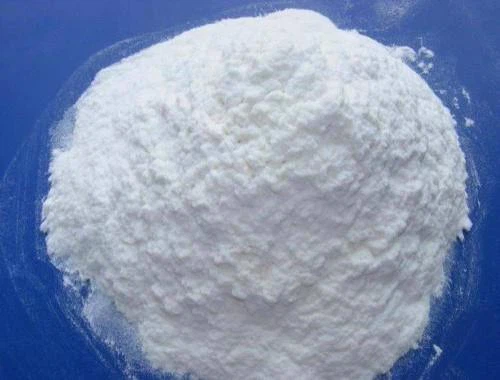

As a BPA supplier, we are committed to staying at the forefront of these developments. We are investing in research to develop safer and more sustainable products. We also work closely with our customers to help them navigate the changing regulatory landscape and find the best solutions for their food packaging needs.
Other Products in Our Portfolio
In addition to BPA, we also supply other chemicals that are relevant to the packaging and manufacturing industries. One such product is Neopentyl Glycol (NPG). NPG is used in the production of polyester resins, which are widely used in coatings, adhesives, and plastics. It offers excellent chemical resistance, weatherability, and flexibility, making it a valuable component in many industrial applications.
Contact Us for Procurement
If you are in the market for BPA or other chemicals for your food packaging or manufacturing needs, we would be happy to discuss your requirements. Our team of experts can provide you with detailed information about our products, their applications, and the regulatory compliance. We are committed to providing high - quality products and excellent customer service. Whether you are looking for a reliable source of BPA or exploring alternative materials, we can help you find the right solutions. Please reach out to us to start a conversation about your procurement needs.
References
- European Food Safety Authority. (2015). Re - evaluation of bisphenol A (BPA) for food contact materials. EFSA Journal, 13(5), e04106.
- Food and Drug Administration. (2020). Bisphenol A (BPA): Update on FDA's current perspective. Retrieved from [FDA official website].
- vom Saal, F. S., & Hughes, C. (2005). An extensive new literature concerning low - dose effects of bisphenol A shows the need for a new risk assessment. Environmental Health Perspectives, 113(8), 926 - 933.