

What are the handling procedures for pentaerythritol during transportation?
Sep 18, 2025
Pentaerythritol is a versatile chemical compound widely used in various industries, including coatings, plastics, and pharmaceuticals. As a reliable pentaerythritol supplier, I understand the importance of proper handling procedures during transportation to ensure the safety of the product and everyone involved. In this blog post, I will share the essential handling procedures for pentaerythritol during transportation.
Pre - transportation Preparations
Before transporting pentaerythritol, several crucial steps need to be taken. First and foremost, it is essential to check the quality and quantity of the product. We conduct rigorous quality control measures at our facility to ensure that the pentaerythritol meets the highest industry standards. Each batch is carefully inspected for purity, particle size, and other relevant parameters.
Next, we choose the appropriate packaging for pentaerythritol. The packaging should be able to protect the product from moisture, light, and mechanical damage. Typically, we use high - quality plastic bags or drums that are sealed tightly to prevent any leakage. The packaging is also labeled clearly with important information such as the product name, batch number, net weight, and handling instructions.
It is also necessary to obtain all the required documentation for transportation. This includes safety data sheets (SDS) that provide detailed information about the chemical properties, hazards, and safety precautions of pentaerythritol. The SDS is a critical document that helps the transportation personnel to handle the product safely. Additionally, we ensure that all the shipping documents, such as bills of lading and customs declarations, are accurate and complete.
Loading the Product
When loading pentaerythritol onto the transportation vehicle, proper techniques must be employed. The loading area should be clean, dry, and free from any contaminants. We use appropriate handling equipment, such as forklifts or pallet jacks, to move the packaged pentaerythritol. The equipment should be in good working condition and operated by trained personnel.
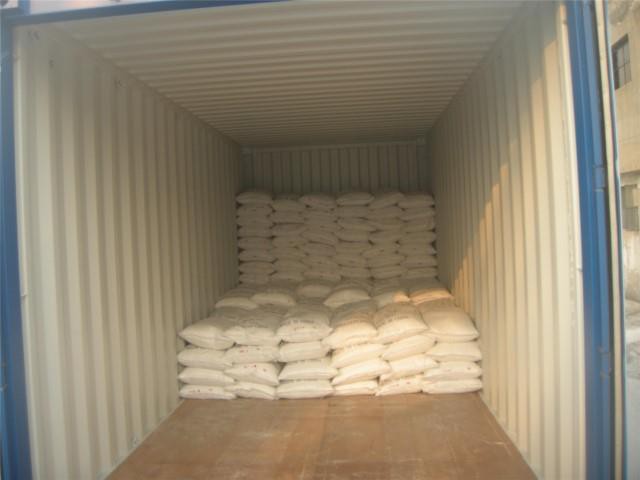
During loading, the packages should be stacked carefully to prevent them from tipping over or being damaged. They should be arranged in a stable manner, and if possible, secured with straps or other fastening devices. It is important to avoid overloading the vehicle, as this can affect its stability and safety during transportation.
In - transit Precautions
During transportation, pentaerythritol needs to be protected from various factors. Temperature control is crucial, as extreme temperatures can affect the quality of the product. For pentaerythritol, it is generally recommended to keep the temperature within a certain range. If necessary, we use insulated trucks or containers to maintain a stable temperature.
Moisture is another factor that can cause problems. Pentaerythritol is hygroscopic, which means it can absorb moisture from the air. To prevent this, the transportation vehicle should be sealed properly to keep out moisture. If the journey is long and the environmental conditions are humid, additional moisture - absorbing materials can be placed inside the vehicle.
The vehicle should also be protected from vibrations and shocks. Excessive vibrations can cause the packages to break or the product to become damaged. We choose transportation routes carefully to avoid rough roads and ensure a smooth journey.
Unloading the Product
When the pentaerythritol reaches its destination, proper unloading procedures are essential. Similar to loading, the unloading area should be clean and suitable for handling the product. The handling equipment used for unloading should be the same as or compatible with the loading equipment.
The packages should be unloaded carefully and placed in a designated storage area. Any damaged packages should be identified immediately, and the product should be inspected for any signs of leakage or contamination. If there are any issues, appropriate measures should be taken, such as notifying the relevant parties and following the emergency response procedures.
Special Considerations for Different Modes of Transportation
Road Transportation
Road transportation is a common way to transport pentaerythritol. When using trucks, the driver should be well - trained and familiar with the handling requirements of the product. The truck should be equipped with safety features such as fire extinguishers and emergency response equipment. Regular inspections of the vehicle should be carried out during the journey to ensure its safety.
Rail Transportation
For rail transportation, the wagons used to carry pentaerythritol should be suitable for chemical products. They should be clean and free from any residues of other chemicals. The loading and unloading processes at the railway stations need to be coordinated carefully to ensure efficiency and safety.
Sea Transportation
When transporting pentaerythritol by sea, the product is usually packed in containers. The containers should be properly secured on the ship to prevent them from shifting during rough seas. The ship's crew should be trained in handling chemical cargoes and be aware of the specific requirements for pentaerythritol.
Emergency Response
Despite all the precautions, emergencies can still occur during transportation. In case of a spill, fire, or other incidents, a well - defined emergency response plan should be in place. The transportation personnel should be trained to respond quickly and effectively to such situations.
If there is a spill of pentaerythritol, the area should be isolated immediately to prevent the spread of the chemical. Absorbent materials can be used to soak up the spill, and the collected material should be disposed of properly according to the environmental regulations. In case of a fire, the appropriate fire - fighting methods should be used, taking into account the chemical properties of pentaerythritol.

Conclusion
Proper handling procedures for pentaerythritol during transportation are of utmost importance to ensure the safety of the product, the transportation personnel, and the environment. As a Pentaerythritol supplier, we are committed to following all the best practices in transportation. We work closely with our transportation partners to ensure that every step of the process is carried out safely and efficiently.
If you are in need of high - quality pentaerythritol or related products such as Dipentaerythritol and Bisphenol A, please feel free to contact us for more information and to discuss your procurement needs. We are ready to provide you with the best products and services.
References
- Chemical Safety Board. (20XX). Guidelines for the Safe Transportation of Chemicals.
- International Maritime Organization. (20XX). Regulations for the Transportation of Hazardous Chemicals by Sea.
- Department of Transportation. (20XX). Safety Standards for Road Transportation of Chemicals.