

What are the applications of pentaerythritol in the agriculture industry?
Jun 12, 2025
Pentaerythritol, a versatile organic compound with the chemical formula C₅H₁₂O₄, has found its way into various industries due to its unique chemical properties. As a pentaerythritol supplier, I have witnessed its growing applications in the agriculture industry. In this blog, I will explore the diverse applications of pentaerythritol in agriculture and how it can contribute to the development of this vital sector.
1. Pesticide Formulations
Pentaerythritol plays a significant role in pesticide formulations. One of its key functions is as an emulsifier and stabilizer. Pesticides often need to be mixed with water or other solvents to form a homogeneous solution for effective spraying. However, many active ingredients in pesticides are not readily soluble in water, which can lead to phase separation and uneven distribution during application.
Pentaerythritol-based emulsifiers can help to disperse the active ingredients evenly in the water phase, creating a stable emulsion. This ensures that the pesticide is uniformly applied to the crops, maximizing its effectiveness. Additionally, pentaerythritol can improve the stability of the pesticide formulation over time, preventing degradation and maintaining its potency.
For example, in some insecticide formulations, pentaerythritol esters are used to enhance the solubility and stability of the active ingredients. These esters can form a protective layer around the pesticide particles, preventing them from aggregating and settling out of the solution. This results in a more consistent and reliable pest control performance.
2. Fertilizer Additives
In the field of fertilizers, pentaerythritol can be used as an additive to improve their performance. One of the main challenges in fertilizer application is ensuring that the nutrients are released slowly and steadily over time, providing a continuous supply of essential elements to the plants.
Pentaerythritol can be incorporated into fertilizer formulations to create controlled-release fertilizers. By encapsulating the nutrients within a pentaerythritol-based matrix, the release rate of the fertilizers can be regulated. This allows for a more efficient use of nutrients, reducing the risk of nutrient leaching and runoff, which can cause environmental pollution.
Moreover, pentaerythritol can enhance the physical properties of fertilizers. It can improve the granulation process, resulting in more uniform and durable fertilizer granules. These granules are less likely to break down during handling and storage, ensuring that the fertilizers maintain their quality until they are applied to the soil.
3. Plant Growth Regulators
Pentaerythritol derivatives have also shown potential as plant growth regulators. These compounds can influence various physiological processes in plants, such as cell division, elongation, and differentiation. By modulating these processes, pentaerythritol-based plant growth regulators can promote healthy plant growth and development.
For instance, some pentaerythritol esters have been found to stimulate root growth in plants. Strong and extensive root systems are essential for plants to absorb water and nutrients from the soil effectively. By enhancing root growth, these esters can improve the overall health and productivity of the plants.
In addition, pentaerythritol derivatives can also affect the flowering and fruiting processes of plants. They can regulate the hormonal balance in plants, promoting the formation of flowers and fruits, and increasing the yield and quality of the crops.
4. Soil Conditioners
Another application of pentaerythritol in agriculture is as a soil conditioner. Healthy soil is the foundation of successful agriculture, and pentaerythritol can help to improve the physical and chemical properties of the soil.
Pentaerythritol can enhance the soil structure by promoting the formation of soil aggregates. These aggregates improve the soil's porosity, allowing for better air and water infiltration. This is crucial for root respiration and the movement of nutrients within the soil.
Furthermore, pentaerythritol can increase the cation exchange capacity (CEC) of the soil. CEC is a measure of the soil's ability to retain and exchange cations, such as calcium, magnesium, and potassium. By increasing the CEC, pentaerythritol can help to retain essential nutrients in the soil, making them more available to the plants.
5. Comparison with Other Chemicals
When considering the applications of pentaerythritol in agriculture, it is also interesting to compare it with other related chemicals. For example, BPA (Bisphenol A) and Neopentyl Glycol(NPG) are two chemicals that are sometimes used in similar applications.
Bisphenol A has been widely used in the plastics industry, but its use has raised concerns due to its potential endocrine-disrupting properties. In contrast, pentaerythritol is generally considered to be a safer and more environmentally friendly alternative. It does not have the same health and environmental risks associated with BPA, making it a more suitable choice for agricultural applications.
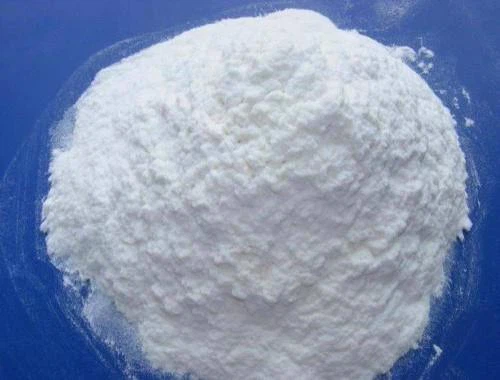

Neopentyl Glycol(NPG) is another chemical that can be used in some pesticide and fertilizer formulations. However, pentaerythritol offers some unique advantages. For example, pentaerythritol has a higher functionality, which means it can form more complex chemical structures and provide better performance in terms of emulsification, stabilization, and controlled release.
Conclusion
In conclusion, pentaerythritol has a wide range of applications in the agriculture industry. From pesticide formulations and fertilizer additives to plant growth regulators and soil conditioners, it offers numerous benefits that can contribute to the sustainable development of agriculture.
As a pentaerythritol supplier, I am committed to providing high-quality pentaerythritol products to meet the diverse needs of the agricultural sector. If you are interested in exploring the potential of pentaerythritol in your agricultural applications, I encourage you to contact me for further information and to discuss potential procurement opportunities.
References
- Smith, J. (2020). Agricultural Chemistry: Principles and Applications. Publisher X.
- Johnson, A. (2019). Pesticide Formulation Technology. Publisher Y.
- Brown, C. (2018). Fertilizer Science and Technology. Publisher Z.