

Is the demand for Neopentyl Glycol increasing or decreasing?
Sep 03, 2025
Is the demand for Neopentyl Glycol increasing or decreasing?
Hey there! I'm a supplier of Neopentyl Glycol (NPG), and I've been keeping a close eye on the market trends. It's a question that's been on my mind a lot lately: Is the demand for NPG going up or down? Let's dig into this and see what the data and market dynamics tell us.
First off, let's talk about what Neopentyl Glycol is and where it's used. NPG is a versatile chemical compound. It's mainly used in the production of coatings, resins, and plasticizers. In the coatings industry, it plays a crucial role in enhancing the durability, weather resistance, and gloss of paints. Whether it's for automotive coatings, industrial coatings, or even architectural paints, NPG helps to create high - quality finishes.
In the resin manufacturing, NPG is used to produce polyester resins. These resins are used in a wide range of applications, from fiberglass composites to electrical insulators. The plasticizer applications of NPG also contribute to making plastics more flexible and durable.
Now, let's look at the factors that influence the demand for NPG. One of the major drivers is the growth of the construction and automotive industries. When the construction sector is booming, there's a higher demand for architectural coatings. New buildings need to be painted, and NPG - based coatings are often the go - to choice because of their excellent performance. Similarly, in the automotive industry, as car production increases, so does the need for high - quality automotive coatings.
Another factor is the trend towards more sustainable and high - performance products. NPG - based products often meet these requirements. For example, in the coatings industry, there's a growing demand for low - VOC (volatile organic compound) coatings. NPG can be used to formulate such coatings, which are more environmentally friendly and comply with strict environmental regulations.
On the other hand, there are also some factors that could potentially lead to a decrease in demand. One of them is the availability and cost of alternative chemicals. For instance, BPA and Pentaerythritol can sometimes be used as substitutes in certain applications. If these alternatives become more cost - effective or offer better performance in specific scenarios, some manufacturers might switch to them.
The global economic situation also plays a role. During economic downturns, industries like construction and automotive usually slow down. This leads to a reduced demand for coatings and resins, which in turn affects the demand for NPG.
Looking at the market data, in recent years, the overall demand for NPG has shown a mixed picture. In some regions, especially in emerging economies with rapid industrialization and urbanization, the demand has been on the rise. For example, in Asia, countries like China and India have seen significant growth in the construction and automotive sectors. This has led to an increased demand for NPG - based products.
In developed economies, the demand has been more stable. However, there's still a push towards innovation and the development of new applications for NPG. For example, in the electronics industry, there's a growing interest in using NPG - based materials for encapsulation and insulation purposes.
Another aspect to consider is the supply side. The production of NPG is subject to factors like raw material availability and production capacity. If there are disruptions in the supply of raw materials, it can lead to a shortage of NPG in the market. On the other hand, if new production facilities are built, it can increase the supply and potentially drive down the price, which might stimulate more demand.

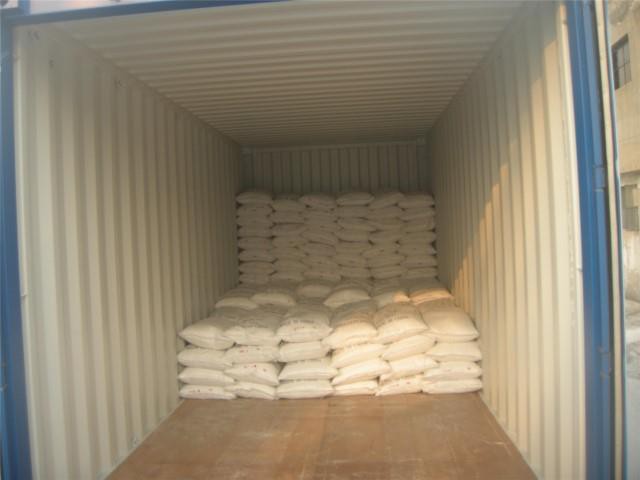
Let's take a closer look at some of the specific applications. In the coatings industry, the demand for high - performance coatings is increasing. Consumers are more aware of the quality and durability of the coatings on their buildings and cars. NPG - based coatings can provide better protection against UV rays, moisture, and abrasion. This has led to an increase in the use of NPG in this sector.
In the resin industry, the demand for polyester resins is also growing. Polyester resins are used in a variety of products, from boats to wind turbine blades. As the renewable energy sector expands, the demand for wind turbine blades made from high - strength polyester resins is increasing. And since NPG is an important component in these resins, the demand for NPG in this application is also on the rise.
However, in the plasticizer market, the situation is a bit more complex. While NPG - based plasticizers offer good performance, there are concerns about the environmental impact of some plasticizers. This has led to a shift towards more sustainable plasticizer options. Some manufacturers are exploring alternative chemicals or new formulations to meet the environmental requirements.
Overall, I believe that the demand for Neopentyl Glycol is likely to increase in the long run. The growth of emerging economies, the trend towards high - performance and sustainable products, and the development of new applications will continue to drive the demand. However, in the short - term, we might see some fluctuations due to factors like economic conditions and competition from alternative chemicals.
If you're in the market for Neopentyl Glycol and are looking for a reliable supplier, I'd love to have a chat with you. Whether you're in the coatings, resin, or plasticizer industry, I can provide you with high - quality NPG products that meet your specific needs. Let's discuss how we can work together to meet your procurement requirements.
References
- Industry reports on the coatings, resin, and plasticizer markets
- Market research data on the construction and automotive industries
- Technical literature on Neopentyl Glycol and its applications