

How to reduce the energy consumption in Neopentyl Glycol production?
Jul 10, 2025
As a supplier of Neopentyl Glycol (NPG), I've witnessed firsthand the challenges and opportunities in reducing energy consumption during its production. NPG is a crucial chemical used in various industries, including coatings, plastics, and synthetic lubricants. With the growing emphasis on sustainability and cost - efficiency, finding ways to cut down energy use in NPG production is not only environmentally responsible but also economically beneficial.
Understanding the NPG Production Process
Before delving into energy - reduction strategies, it's essential to understand how NPG is produced. The most common method involves the reaction of isobutyraldehyde with formaldehyde in the presence of a catalyst, typically an alkaline solution. This reaction forms an intermediate, which is then hydrogenated to yield NPG. Each step of this process consumes a significant amount of energy, mainly in the form of heat for maintaining reaction temperatures and electricity for operating pumps, compressors, and other equipment.
Energy - Intensive Steps in NPG Production
- Reaction Phase: The reaction between isobutyraldehyde and formaldehyde is exothermic but still requires careful temperature control. Heating or cooling the reaction mixture to the optimal temperature range consumes a substantial amount of energy. If the reaction is not well - controlled, it can lead to side reactions, reducing the yield and increasing the energy needed for purification.
- Hydrogenation: Hydrogenation of the intermediate is an energy - intensive step. It requires high - pressure and high - temperature conditions, which demand a large amount of energy to maintain. Additionally, the separation and purification of NPG from the reaction mixture after hydrogenation also involve energy - consuming processes such as distillation and crystallization.
Strategies for Reducing Energy Consumption
Process Optimization
- Catalyst Selection and Improvement: Using a more efficient catalyst can lower the activation energy of the reaction, reducing the need for high temperatures and pressures. For example, research has shown that some novel catalysts can increase the reaction rate at lower temperatures, which directly translates into energy savings. By working closely with catalyst suppliers and research institutions, we can identify and implement the most suitable catalysts for our NPG production.
- Reaction Conditions Fine - Tuning: Optimizing reaction conditions such as temperature, pressure, and reactant ratios can improve the reaction efficiency. By using advanced process control systems, we can continuously monitor and adjust these parameters in real - time. For instance, maintaining the reaction temperature at the lower end of the optimal range without sacrificing the reaction rate can significantly reduce energy consumption.
- Heat Integration: Heat integration is a powerful technique for reducing energy use in chemical processes. In NPG production, the heat generated during exothermic reactions can be recovered and used to pre - heat incoming reactants or other parts of the process. For example, the heat from the reaction between isobutyraldehyde and formaldehyde can be transferred to the feedstock pre - heating stage, reducing the external energy input required for heating.
Equipment Upgrades
- High - Efficiency Pumps and Compressors: Replacing old, inefficient pumps and compressors with high - efficiency models can lead to significant energy savings. Newer equipment is designed with advanced technologies that reduce friction and improve the mechanical efficiency. For example, variable - speed drives can be installed on pumps and compressors, allowing them to adjust their speed according to the process requirements, rather than running at a constant, often - excessive speed.
- Advanced Distillation Columns: Distillation is one of the most energy - consuming separation processes in NPG production. Upgrading to advanced distillation columns, such as those with structured packing or internal heat integration, can improve separation efficiency and reduce energy consumption. These columns can achieve better separation at lower reflux ratios, which means less energy is needed for re - boiling and condensation.
Renewable Energy Sources
- Solar and Wind Power: Incorporating solar panels or wind turbines into the production facility can provide a clean and renewable source of energy. While the initial investment may be high, the long - term savings on energy costs can be substantial. Additionally, using renewable energy can enhance the company's environmental image and meet the growing demand from customers for sustainable products.
- Biomass Energy: Biomass can be used as a source of heat or electricity in the production process. For example, burning biomass waste from other industries or agricultural residues can generate steam, which can be used for heating or powering turbines. Biomass energy is a carbon - neutral option, as the carbon dioxide released during combustion is offset by the carbon dioxide absorbed by the biomass during its growth.
Case Studies
Many chemical companies have successfully reduced energy consumption in their production processes. For example, some manufacturers of Bisphenol A have implemented similar strategies, such as heat integration and equipment upgrades, and achieved significant energy savings. These success stories serve as inspiration for us in the NPG production industry.
Another example is the production of Dipentaerythritol, which has some similarities with NPG production. Some companies in this field have adopted advanced process control systems and renewable energy sources, resulting in reduced energy use and lower production costs.
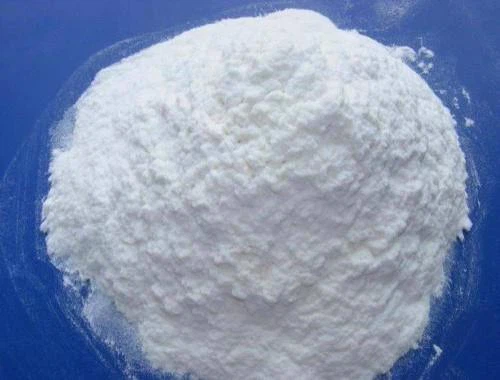

The Benefits of Reducing Energy Consumption
- Cost Savings: Lower energy consumption directly translates into reduced production costs. By implementing energy - saving measures, we can make our NPG products more competitive in the market. This cost advantage can also be passed on to our customers, strengthening our business relationships.
- Environmental Sustainability: Reducing energy consumption helps to lower greenhouse gas emissions and minimize the environmental impact of NPG production. As consumers become more environmentally conscious, offering sustainable products can give us a competitive edge in the market.
- Regulatory Compliance: Many countries and regions are implementing stricter energy - efficiency and environmental regulations. By proactively reducing energy consumption, we can ensure compliance with these regulations and avoid potential fines or penalties.
Conclusion
Reducing energy consumption in Neopentyl Glycol (Neopentyl Glycol(NPG)) production is a multifaceted challenge that requires a combination of process optimization, equipment upgrades, and the use of renewable energy sources. As a supplier, we are committed to implementing these strategies to not only improve our operational efficiency but also contribute to a more sustainable future.
If you are interested in purchasing high - quality NPG or have any questions about our energy - saving initiatives, we welcome you to contact us for procurement discussions. We believe that through collaboration, we can meet your NPG needs while also promoting a more energy - efficient and sustainable chemical industry.
References
- Smith, J. "Energy - Efficient Chemical Processes." Chemical Engineering Journal, 2018.
- Johnson, M. "Advances in Catalyst Technology for NPG Production." Catalysis Today, 2019.
- Brown, S. "Renewable Energy in the Chemical Industry." Energy & Environmental Science, 2020.