

Does Bisphenol A affect the endocrine system?
Sep 09, 2025
Bisphenol A (BPA) is a well - known industrial chemical that has been at the center of extensive scientific and public discussions. As a supplier of Bisphenol A, I am frequently asked about its impact on the endocrine system. In this blog, I aim to explore this topic in detail, presenting the current scientific understanding and addressing concerns that potential customers might have.
What is Bisphenol A?
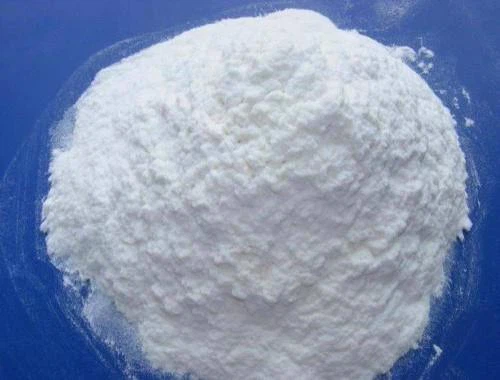
Bisphenol A, often referred to as Bisphenol A or BPA, is a synthetic organic compound with the chemical formula C₁₅H₁₆O₂. It has been widely used in the production of polycarbonate plastics and epoxy resins since the 1950s. Polycarbonate plastics are known for their clarity, durability, and heat resistance, and are commonly found in products such as water bottles, food containers, and baby bottles. Epoxy resins, on the other hand, are used as linings in metal cans to prevent corrosion and maintain the quality of food and beverages.
The widespread use of BPA is due to its excellent physical and chemical properties. It provides strength and transparency to plastics, and acts as a protective barrier in can linings. However, as its use has become more prevalent, so has the concern about its potential effects on human health, particularly its impact on the endocrine system.
The Endocrine System: An Overview
The endocrine system is a complex network of glands that secrete hormones into the bloodstream. These hormones act as chemical messengers, regulating various bodily functions such as growth, metabolism, reproduction, and mood. Hormones bind to specific receptors on cells throughout the body, triggering a cascade of biochemical reactions that control physiological processes.
Disruptions to the endocrine system can have significant consequences for health. Endocrine - disrupting chemicals (EDCs) are substances that can interfere with the normal functioning of the endocrine system by mimicking, blocking, or altering the production or metabolism of hormones. These disruptions can lead to a wide range of health problems, including developmental disorders, reproductive issues, metabolic disorders, and even certain types of cancer.
Does Bisphenol A Affect the Endocrine System?
The question of whether BPA affects the endocrine system has been the subject of numerous scientific studies. Many laboratory studies have shown that BPA can act as an endocrine - disrupting chemical. In vitro studies, which are conducted in test tubes or cell cultures, have demonstrated that BPA can bind to estrogen receptors. Estrogen is a female sex hormone that plays a crucial role in reproductive development and function, as well as in other physiological processes in both males and females.
When BPA binds to estrogen receptors, it can mimic the effects of natural estrogen. This can lead to abnormal cellular responses, such as increased cell proliferation in estrogen - sensitive tissues. For example, studies on breast cancer cell lines have shown that BPA can stimulate the growth of these cells, suggesting a potential link between BPA exposure and breast cancer development.
In vivo studies, which are conducted on living organisms, have also provided evidence of BPA's endocrine - disrupting effects. Animal studies have shown that exposure to BPA during critical periods of development can lead to reproductive abnormalities. In female animals, BPA exposure has been associated with early puberty, irregular menstrual cycles, and reduced fertility. In male animals, it has been linked to decreased sperm quality and testicular abnormalities.
However, the situation in humans is more complex. While there is some evidence of associations between BPA exposure and certain health outcomes in humans, it is often difficult to establish a direct causal relationship. Human exposure to BPA occurs through multiple routes, including ingestion of contaminated food and water, inhalation of dust, and dermal contact. Measuring the exact level of BPA exposure in humans is challenging, and there are many confounding factors that can influence health outcomes, such as diet, lifestyle, and genetic factors.
Some epidemiological studies have reported associations between BPA exposure and health problems such as obesity, diabetes, and cardiovascular disease. For example, a study published in the Journal of Clinical Endocrinology and Metabolism found that higher levels of BPA in urine were associated with an increased risk of obesity in children and adults. However, other studies have not found such associations, highlighting the need for further research to clarify the role of BPA in these health conditions.
Regulatory Actions and Safety Assessments
In response to the concerns about BPA's potential health effects, regulatory agencies around the world have taken various actions. In the United States, the Food and Drug Administration (FDA) has restricted the use of BPA in baby bottles and sippy cups since 2012. The European Union has also imposed restrictions on the use of BPA in food contact materials for infants and young children.
These regulatory actions are based on a precautionary approach, aiming to minimize potential risks to public health. However, it is important to note that regulatory agencies also conduct safety assessments of BPA. The FDA and other agencies have determined that the current levels of BPA exposure in the general population are below the levels that are expected to cause harm. These assessments are based on a comprehensive review of the available scientific literature, including both toxicological studies and human exposure data.
Our Role as a Bisphenol A Supplier
As a supplier of BPA, we are committed to ensuring the safety and quality of our products. We closely monitor the latest scientific research on BPA and comply with all relevant regulatory requirements. We work with our customers to provide them with accurate information about BPA and its safe use.
We also offer alternative products for customers who have concerns about BPA. For example, Neopentyl Glycol(NPG) is a chemical that can be used in some applications as an alternative to BPA. NPG has different chemical properties and is not known to have the same endocrine - disrupting potential as BPA.
Conclusion and Call to Action
In conclusion, the question of whether BPA affects the endocrine system is still a topic of ongoing research. While there is evidence from laboratory and animal studies that BPA can act as an endocrine - disrupting chemical, the situation in humans is more complex and requires further investigation. Regulatory agencies have taken steps to minimize potential risks, but also recognize that the current levels of BPA exposure in the general population are likely to be safe.
As a BPA supplier, we are dedicated to providing high - quality products and accurate information. If you are interested in purchasing BPA or learning more about our products and their safe use, we encourage you to contact us for a procurement discussion. We are here to address your concerns and help you make informed decisions about your chemical needs.

References
- vom Saal, F. S., & Hughes, C. (2005). An extensive new literature concerning low - dose effects of bisphenol A shows the need for a new risk assessment. Environmental Health Perspectives, 113(8), 926 - 933.
- Rochester, J. R. (2013). Bisphenol A and human health: A review of the literature. Reproductive Toxicology, 42, 132 - 155.
- Trasande, L., Blustein, J., Attina, T., & Sukalich, D. (2012). Urinary bisphenol A concentration is associated with obesity prevalence and incidence in children and adults. Journal of Clinical Endocrinology and Metabolism, 97(11), E2052 - E2059.