

Can Neopentyl Glycol (NPG) be used in the production of foams?
Jun 18, 2025
Neopentyl Glycol (NPG), a chemical compound known for its versatility, has long been a subject of interest in various industrial applications. As a leading supplier of Neopentyl Glycol (NPG), I've witnessed firsthand the curiosity and questions surrounding its potential use in foam production. In this blog post, we'll explore the feasibility of using NPG in foam manufacturing, considering its properties, advantages, and limitations.
Understanding Neopentyl Glycol (NPG)
Before delving into its application in foam production, let's first understand what Neopentyl Glycol (NPG) is. NPG is a diol, which means it contains two hydroxyl (-OH) groups. These hydroxyl groups are crucial as they can react with other chemicals, such as carboxylic acids, to form esters through a process called esterification. This reactivity makes NPG a valuable ingredient in the production of various polymers, resins, and coatings.
You can find more detailed information about Neopentyl Glycol (NPG) on our website: Neopentyl Glycol(NPG).
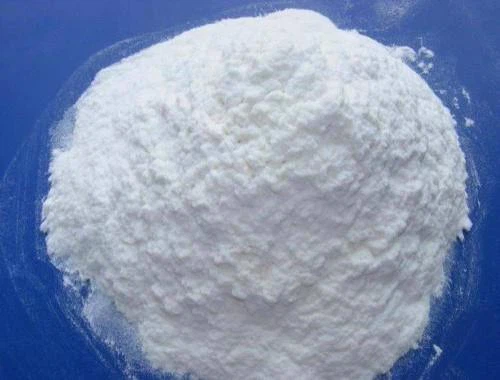

Properties of NPG Relevant to Foam Production
- Low Viscosity: NPG has relatively low viscosity compared to some other glycols. This property is beneficial in foam production as it allows for easy mixing with other components of the foam formulation. A low - viscosity glycol can help ensure a homogeneous mixture, which is essential for producing foams with consistent properties.
- Chemical Stability: NPG is chemically stable, which means it can withstand the conditions typically encountered during foam manufacturing processes. It is resistant to oxidation and hydrolysis to a certain extent, ensuring that the foam retains its quality over time.
- Hydrophobicity: NPG has some degree of hydrophobicity. In foam applications, this can be advantageous as it can help improve the water - resistance of the foam. Water - resistant foams are often required in applications where the foam will be exposed to moisture, such as in outdoor insulation or marine applications.
Types of Foams and NPG Compatibility
Polyurethane Foams
Polyurethane foams are one of the most common types of foams produced industrially. They are made by reacting polyols with isocyanates. NPG can be used as a part of the polyol component in polyurethane foam formulations.
When NPG is incorporated into the polyol, it can enhance the physical properties of the polyurethane foam. For example, it can improve the foam's hardness and dimensional stability. The low viscosity of NPG also helps in the efficient mixing of the polyol and isocyanate, leading to a more uniform foam structure.
Polystyrene Foams
Polystyrene foams, such as expanded polystyrene (EPS) and extruded polystyrene (XPS), are widely used for insulation and packaging. While NPG is not a typical component of polystyrene foam formulations, it could potentially be used in some modified versions. For instance, NPG - based esters could be used as additives to improve the mechanical properties or flame - retardancy of polystyrene foams. However, more research is needed in this area to fully understand the potential of NPG in polystyrene foam production.
Advantages of Using NPG in Foam Production
- Improved Durability: As mentioned earlier, the chemical stability of NPG can contribute to the long - term durability of the foam. Foams made with NPG are less likely to degrade over time, which is particularly important in applications where the foam needs to maintain its performance for an extended period.
- Enhanced Performance in Harsh Environments: The hydrophobic nature of NPG makes foams more resistant to water damage. This is crucial in applications such as insulation in buildings located in humid climates or in automotive parts that may be exposed to water splashes.
- Customizable Properties: By varying the amount of NPG in the foam formulation, manufacturers can customize the properties of the foam. For example, increasing the NPG content can lead to a harder and more rigid foam, while a lower content may result in a more flexible foam.
Limitations of Using NPG in Foam Production
- Cost: NPG can be relatively more expensive than some other glycols commonly used in foam production. This cost factor may limit its widespread use, especially in price - sensitive applications.
- Regulatory Considerations: Although NPG is generally considered safe for industrial use, there may be some regulatory requirements and restrictions in different regions. Manufacturers need to ensure that they comply with all relevant regulations when using NPG in foam production.
Comparison with Other Chemicals Used in Foam Production
Comparison with Pentaerythritol
Pentaerythritol is another chemical commonly used in foam production, especially in the production of rigid polyurethane foams. While both NPG and Pentaerythritol can be used as polyol components, they have different properties.
Pentaerythritol has a higher functionality (it has four hydroxyl groups) compared to NPG (which has two). This higher functionality can lead to a more cross - linked and rigid foam structure. However, NPG's lower viscosity makes it easier to handle in the formulation process. You can learn more about Pentaerythritol on our website: Pentaerythritol.
Comparison with BPA
Bisphenol A (BPA) has been used in some foam applications in the past. However, due to concerns about its potential health effects, its use has become more restricted. NPG offers a safer alternative in foam production. It has a different chemical structure and does not pose the same health risks as BPA. For more information about BPA, visit BPA.
Conclusion
In conclusion, Neopentyl Glycol (NPG) can indeed be used in the production of foams. Its unique properties, such as low viscosity, chemical stability, and hydrophobicity, make it a suitable candidate for various foam formulations, especially in polyurethane foams. While there are some limitations, such as cost and regulatory considerations, the advantages of using NPG in terms of improved durability and performance in harsh environments make it an attractive option for manufacturers.
If you are interested in exploring the use of NPG in your foam production processes, we encourage you to reach out to us for more information and to discuss potential purchasing options. Our team of experts is ready to assist you in finding the right NPG solution for your specific needs.
References
- "Polyurethane Handbook" by G. Oertel.
- "Foam Extrusion: Principles and Practice" by N. Bhattacharyya.
- Chemical data sheets and research papers on Neopentyl Glycol, Pentaerythritol, and Bisphenol A.