

What is the production process flow of pentaerythritol?
Oct 17, 2025
Hey there! As a pentaerythritol supplier, I'm super excited to walk you through the production process flow of this cool chemical. Pentaerythritol is a widely used organic compound, and understanding how it's made can give you a better grasp of its quality and applications.
Starting Materials
The production of pentaerythritol begins with two main raw materials: formaldehyde and acetaldehyde. These are pretty common chemicals in the chemical industry. Formaldehyde is a colorless gas with a strong, pungent odor, while acetaldehyde is a volatile, flammable liquid.
We source high - quality formaldehyde and acetaldehyde to ensure the purity of the final pentaerythritol product. The quality of these starting materials is crucial because any impurities can affect the reaction process and the quality of the end - product.
The Aldol Condensation Reaction
The first step in the production process is the aldol condensation reaction. In this reaction, formaldehyde and acetaldehyde react in the presence of a base catalyst, usually calcium hydroxide. The reaction takes place in a well - controlled reactor.
The base catalyst helps to initiate the reaction by deprotonating the acetaldehyde, making it more reactive. When formaldehyde and the deprotonated acetaldehyde come together, they form an intermediate compound. This intermediate then undergoes further reactions to form the basic structure of pentaerythritol.
The reaction conditions, such as temperature, pressure, and the ratio of reactants, are carefully monitored. The temperature is usually maintained at a specific range to ensure that the reaction proceeds at an optimal rate. If the temperature is too high, side reactions may occur, leading to the formation of unwanted by - products.
The Cannizzaro Reaction
After the aldol condensation, the next step is the Cannizzaro reaction. In this reaction, the intermediate product from the aldol condensation reacts with more formaldehyde in the presence of the same base catalyst.
The Cannizzaro reaction is a disproportionation reaction, where one molecule of formaldehyde is oxidized to formic acid, and another molecule is reduced to methanol. At the same time, the intermediate is further transformed into pentaerythritol.
This reaction is also highly sensitive to reaction conditions. The concentration of the reactants and the amount of catalyst used play important roles in determining the yield and purity of the pentaerythritol. If the reaction conditions are not properly controlled, the yield of pentaerythritol may be low, and there may be more by - products.
Separation and Purification
Once the reactions are complete, the mixture in the reactor contains pentaerythritol, along with by - products such as formic acid, methanol, and unreacted starting materials. The next step is to separate and purify the pentaerythritol.
The first step in separation is usually filtration. The mixture is passed through a filter to remove any solid impurities, such as the calcium salts formed during the reaction. Then, the liquid phase is subjected to distillation.
Distillation is used to separate the different components based on their boiling points. Methanol has a relatively low boiling point, so it can be easily distilled off first. Then, the formic acid can be separated in a similar way.
After distillation, the crude pentaerythritol still contains some impurities. To further purify it, we use crystallization. The crude pentaerythritol is dissolved in a suitable solvent, usually water. Then, the solution is cooled slowly, and pentaerythritol crystals start to form. The crystals are then separated from the mother liquor by filtration.
Quality Control
Quality control is an essential part of the production process. We test the pentaerythritol at different stages of production to ensure that it meets the required standards.
We use various analytical techniques, such as high - performance liquid chromatography (HPLC) and gas chromatography (GC), to analyze the purity of the pentaerythritol. These techniques can accurately measure the amount of pentaerythritol and any impurities in the sample.
We also test the physical properties of the pentaerythritol, such as its melting point, density, and solubility. These properties can provide information about the quality and purity of the product. Only when the pentaerythritol passes all the quality control tests can it be packaged and shipped to our customers.
Applications of Pentaerythritol
Pentaerythritol has a wide range of applications. One of the most common applications is in the production of alkyd resins. Alkyd resins are used in paints, coatings, and varnishes. Pentaerythritol acts as a cross - linking agent in the alkyd resin production, which helps to improve the hardness, durability, and gloss of the final coating.
It is also used in the production of Dipentaerythritol, which is a higher - molecular - weight derivative of pentaerythritol. Dipentaerythritol has even more applications in the chemical industry, such as in the production of high - performance lubricants and plasticizers.
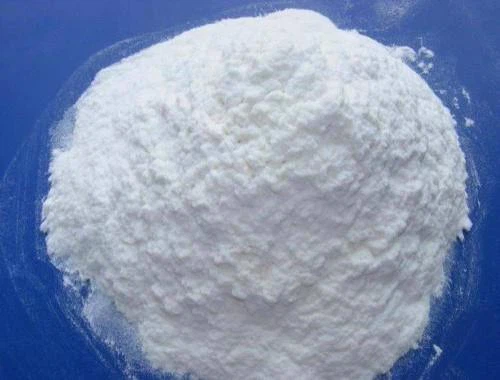

Another important application is in the production of Neopentyl Glycol(NPG). Neopentyl glycol is used in the production of polyester resins, which are widely used in the automotive and construction industries.
Why Choose Our Pentaerythritol
As a pentaerythritol supplier, we take pride in our high - quality products. We have a state - of - the - art production facility with advanced equipment and strict quality control systems. Our production process is optimized to ensure high yields and high - purity pentaerythritol.
We also have a team of experienced chemists and technicians who are constantly working to improve our production process and product quality. We can provide customized solutions based on our customers' specific requirements. Whether you need pentaerythritol for small - scale research or large - scale industrial production, we can meet your needs.
If you're interested in purchasing pentaerythritol, or if you have any questions about our products or the production process, don't hesitate to contact us. We're always here to help you with your chemical needs. You can visit our website Pentaerythritol to learn more about our products and services. Let's start a great business relationship together!
References
- Smith, J. (2018). Chemical Reaction Engineering. Wiley.
- Jones, A. (2020). Organic Chemistry: Principles and Applications. Oxford University Press.