

What is the melting point of Neopentyl Glycol?
Aug 18, 2025
Hey there! As a supplier of Neopentyl Glycol (NPG), I often get asked about the technical details of this chemical. One of the most common questions is, "What is the melting point of Neopentyl Glycol?" Well, let's dive right into it and explore this and other related aspects of NPG.
Understanding Neopentyl Glycol
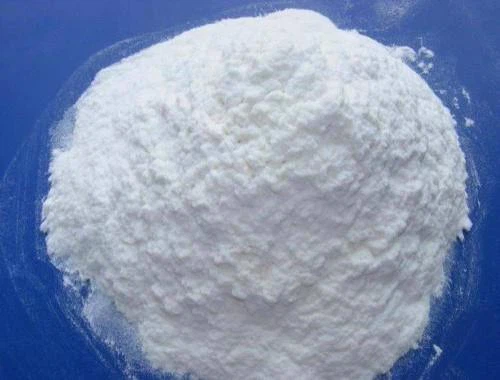
First off, Neopentyl Glycol, also known as NPG, is a versatile chemical with a wide range of applications. It's a white, crystalline solid at room temperature, and it plays a crucial role in various industries. You can learn more about it on our website: Neopentyl Glycol(NPG).
NPG is used in the production of polyester resins, which are then used in coatings, adhesives, and plastics. It's also used in the manufacture of lubricants, synthetic lubricants, and plasticizers. Its unique chemical structure gives it some great properties, like good heat resistance, chemical resistance, and solubility.
The Melting Point of Neopentyl Glycol
So, what's the melting point of NPG? Well, the melting point of Neopentyl Glycol is typically around 124 - 130 degrees Celsius (255 - 266 degrees Fahrenheit). This relatively high melting point makes it suitable for applications where heat resistance is important. For example, in the production of high - temperature coatings, the high melting point ensures that the NPG - based resin can withstand elevated temperatures without degrading.
The melting point can vary slightly depending on the purity of the NPG. Higher purity NPG usually has a more defined and consistent melting point within the specified range. Impurities can lower the melting point and also cause the melting to occur over a broader temperature range.
Factors Affecting the Melting Point
There are a few factors that can affect the melting point of Neopentyl Glycol. One of the main factors is the presence of impurities. As I mentioned earlier, impurities can disrupt the regular crystal structure of NPG, making it easier for the molecules to break free from their solid - state arrangement. This results in a lower melting point.
Another factor is the pressure. Although the effect of pressure on the melting point of NPG is relatively small under normal conditions, an increase in pressure can generally raise the melting point. However, in most industrial applications, the pressure is kept at or near atmospheric pressure, so this isn't usually a major concern.
Comparing with Other Chemicals
It's always interesting to compare NPG with other similar chemicals. Let's take a look at two other chemicals: Dipentaerythritol and Bisphenol A.
Dipentaerythritol has a melting point of around 210 - 220 degrees Celsius (410 - 428 degrees Fahrenheit). This is significantly higher than that of NPG. Dipentaerythritol is also used in the production of polyester resins, but its higher melting point makes it more suitable for applications that require even higher heat resistance.
On the other hand, Bisphenol A has a melting point of around 155 - 156 degrees Celsius (311 - 313 degrees Fahrenheit). Bisphenol A is widely used in the production of polycarbonate plastics and epoxy resins. Its melting point is higher than NPG's, but NPG has different chemical properties that make it better suited for certain applications.
Applications Based on the Melting Point
The melting point of NPG plays a crucial role in its applications. In the coating industry, for example, when formulating a high - quality polyester coating, the melting point of NPG is considered to ensure that the coating can be applied at the right temperature and will have good film - forming properties.
In the production of lubricants, the high melting point of NPG helps to maintain the integrity of the lubricant at high temperatures. This is important in applications where the lubricant is exposed to heat, such as in automotive engines or industrial machinery.
Quality Control and the Melting Point
As a supplier, we pay close attention to the melting point of our NPG. We have strict quality control measures in place to ensure that the NPG we supply meets the specified melting point range. We use advanced analytical techniques, such as differential scanning calorimetry (DSC), to accurately measure the melting point of our products.
This quality control is essential because it ensures that our customers get a consistent and high - quality product. If the melting point is outside the specified range, it could affect the performance of the end - product, whether it's a coating, an adhesive, or a lubricant.
Storage and Handling Considerations
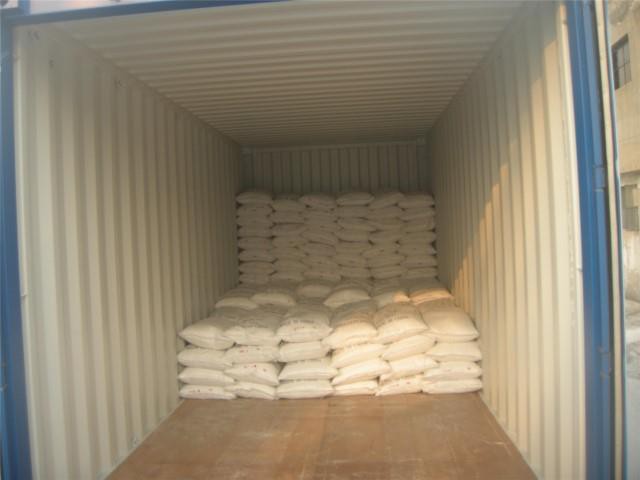
Given the melting point of NPG, proper storage and handling are important. NPG should be stored in a cool, dry place away from sources of heat. If the storage temperature is too high, there's a risk of the NPG starting to melt, which can cause it to clump together and make it difficult to handle.
When handling NPG, it's important to wear appropriate personal protective equipment, such as gloves and safety glasses. Although NPG is generally considered to be of low toxicity, it can cause skin and eye irritation.
Conclusion
In conclusion, the melting point of Neopentyl Glycol, which is around 124 - 130 degrees Celsius, is an important characteristic that affects its applications and performance. Whether you're in the coating, adhesive, or lubricant industry, understanding the melting point of NPG is crucial for getting the best results.
If you're looking for a reliable supplier of high - quality Neopentyl Glycol, we've got you covered. Our NPG is produced with strict quality control measures to ensure that it meets the highest standards. We're always happy to discuss your specific needs and provide you with the best solution. If you're interested in purchasing NPG or have any questions, feel free to reach out to us for a friendly chat and a possible procurement negotiation.
References
- "Handbook of Chemical Properties"
- Industry reports on Neopentyl Glycol applications
- Research papers on the thermal properties of polyols