

What is the chemical formula of Neopentyl Glycol (NPG)?
Oct 21, 2025
Neopentyl glycol (NPG) is a crucial chemical compound widely used in various industries. As a reliable Neopentyl Glycol (NPG) supplier, I am here to share in - depth knowledge about its chemical formula and related aspects.
Chemical Formula of Neopentyl Glycol (NPG)
The chemical formula of Neopentyl Glycol (NPG) is (C_5H_{12}O_2). Structurally, it consists of a central carbon atom bonded to three methyl groups ((-CH_3)) and a (-CH_2OH) group on one side and another (-CH_2OH) group on the other side. Its IUPAC name is 2,2 - dimethyl - 1,3 - propanediol. This unique structure gives NPG several distinct physical and chemical properties.
Physical Properties
NPG is a white, crystalline solid at room temperature. It has a melting point in the range of 124 - 130 °C and a boiling point of around 210 - 212 °C. It is soluble in water, ethanol, and other polar solvents. These physical properties make it suitable for a wide range of applications, especially in the formulation of coatings, resins, and plasticizers.
Chemical Properties
NPG is a diol, which means it contains two hydroxyl ((-OH)) groups. These hydroxyl groups are reactive and can participate in various chemical reactions. For example, it can undergo esterification reactions with carboxylic acids to form esters. This reaction is of great importance in the production of polyester resins. The reaction equation for the esterification of NPG with a carboxylic acid (R - COOH) can be generally written as:
(C_5H_{12}O_2+2R - COOH\rightarrow C_5H_{10}(OOC - R)_2 + 2H_2O)
Production of Neopentyl Glycol (NPG)
The industrial production of NPG usually involves the reaction of isobutyraldehyde with formaldehyde in the presence of a base catalyst. The reaction proceeds through a series of steps, including aldol condensation and subsequent hydrogenation.
First, isobutyraldehyde and formaldehyde react in an aldol - type reaction to form an intermediate compound. Then, this intermediate is hydrogenated to produce NPG. The overall reaction can be summarized as follows:
((CH_3)_2CHCHO + 2HCHO\xrightarrow[\text{catalyst}]{\text{base}}(CH_3)_2C(CH_2OH)_2)
Applications of Neopentyl Glycol (NPG)
Coatings
One of the major applications of NPG is in the coatings industry. Polyester resins made from NPG have excellent weather resistance, chemical resistance, and hardness. They are used in automotive coatings, industrial coatings, and architectural coatings. For example, in automotive coatings, NPG - based polyester resins can provide a high - gloss finish and protect the car body from environmental factors such as UV radiation, moisture, and chemicals.
Resins
NPG is also widely used in the production of alkyd resins and unsaturated polyester resins. These resins are used in the manufacturing of fiberglass - reinforced plastics, adhesives, and laminates. The use of NPG in these resins improves their mechanical properties, such as strength and flexibility.
Plasticizers
In the plastic industry, NPG can be used as a raw material for the production of plasticizers. Plasticizers are added to plastics to increase their flexibility, durability, and processability. NPG - based plasticizers are often used in PVC (polyvinyl chloride) products, such as cables, flooring, and automotive interiors.
Comparison with Related Compounds
NPG is often compared with other polyols such as Pentaerythritol and Dipentaerythritol.
Pentaerythritol has the chemical formula (C_5H_{12}O_4). It has four hydroxyl groups, while NPG has only two. This difference in the number of hydroxyl groups leads to different reactivity and application scenarios. Pentaerythritol is commonly used in the production of alkyd resins, explosives, and lubricants.
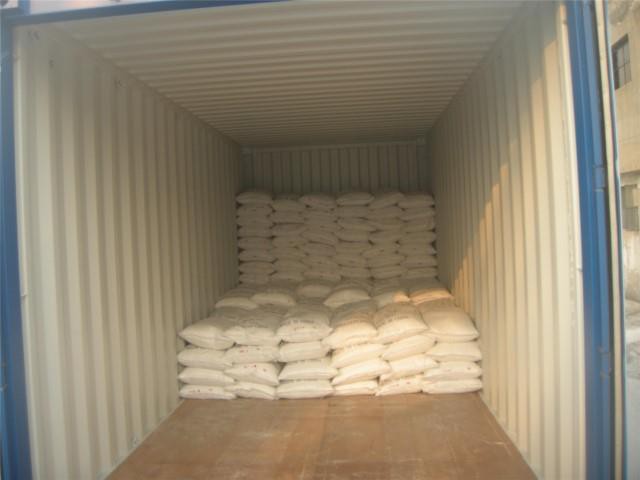

Dipentaerythritol, with a more complex structure, is used in applications where higher functionality and performance are required, such as in high - performance coatings and specialty polymers.
Our Role as a Neopentyl Glycol (NPG) Supplier
As a supplier of Neopentyl Glycol (NPG), we are committed to providing high - quality NPG products to our customers. We have a strict quality control system in place to ensure that our NPG meets the industry standards. Our production process is optimized to achieve high yields and purity.
We understand the diverse needs of our customers in different industries. Whether you are in the coatings, resins, or plasticizers industry, we can offer customized solutions. Our technical support team is always ready to assist you with any questions regarding the application of NPG in your products.
Contact Us for Procurement
If you are interested in purchasing Neopentyl Glycol (NPG) or have any questions about our products, please feel free to contact us. We are looking forward to establishing long - term business relationships with you and providing you with the best products and services.
References
- Kirk - Othmer Encyclopedia of Chemical Technology.
- Ullmann's Encyclopedia of Industrial Chemistry.
- Journal of Applied Polymer Science.