

What are the waste management methods for formic acid?
May 21, 2025
Formic acid, also known as methanoic acid, is a colorless, pungent liquid with the chemical formula HCOOH. It is the simplest carboxylic acid and has a wide range of applications in various industries, including agriculture, leather, textile, and chemical manufacturing. As a formic acid supplier, we understand the importance of proper waste management to ensure environmental protection and regulatory compliance. In this blog post, we will explore the waste management methods for formic acid, discussing both the environmental impact of improper disposal and the best practices for handling formic acid waste.
Environmental Impact of Improper Formic Acid Disposal
Formic acid is a corrosive and toxic substance that can cause severe environmental damage if not disposed of properly. When released into the environment, formic acid can contaminate soil, water, and air, posing a threat to human health and ecosystems. In water bodies, formic acid can lower the pH level, making the water acidic and harmful to aquatic life. It can also react with other chemicals in the environment, leading to the formation of hazardous by - products.
In addition, formic acid is a volatile organic compound (VOC), which means it can evaporate into the air and contribute to air pollution. VOCs are known to react with nitrogen oxides in the presence of sunlight to form ground - level ozone, a major component of smog. Exposure to high levels of ozone can cause respiratory problems, eye irritation, and other health issues.
Waste Management Methods for Formic Acid
1. Recycling
Recycling is one of the most sustainable waste management methods for formic acid. Through distillation and purification processes, used formic acid can be recovered and reused in various industrial applications. Recycling not only reduces the amount of waste generated but also conserves natural resources and reduces the need for new formic acid production.
Our company encourages our customers to consider recycling options for their formic acid waste. We can provide guidance on the recycling process and connect our customers with reliable recycling partners. By recycling formic acid, our customers can not only save costs but also contribute to a more sustainable environment.
2. Neutralization
Neutralization is a common method for treating formic acid waste. This process involves adding a base, such as sodium hydroxide or calcium carbonate, to the formic acid waste to raise the pH level and convert the acid into a less harmful salt. The resulting salt can then be safely disposed of in accordance with local regulations.
However, it is important to note that neutralization should be carried out carefully, as the reaction between formic acid and a base can be exothermic, generating heat and potentially causing splashing or other safety hazards. Appropriate safety equipment, such as gloves, goggles, and a fume hood, should be used during the neutralization process.
3. Incineration
Incineration is another option for formic acid waste management. When incinerated at high temperatures, formic acid is decomposed into carbon dioxide and water, which are relatively harmless substances. However, incineration should only be carried out in specialized facilities that are equipped to handle hazardous waste and comply with strict environmental regulations.
Before incinerating formic acid waste, it is important to ensure that the waste does not contain other hazardous substances that could produce toxic emissions during the incineration process. Additionally, the incineration facility should have proper air pollution control systems in place to minimize the release of pollutants into the atmosphere.
4. Biological Treatment
Biological treatment is a more environmentally friendly option for formic acid waste management. Some microorganisms are capable of breaking down formic acid into carbon dioxide and water through a process called biodegradation. This method can be used to treat low - concentration formic acid waste in wastewater treatment plants or bioreactors.
However, biological treatment requires specific environmental conditions, such as the right temperature, pH, and nutrient levels, to ensure the growth and activity of the microorganisms. It may also take longer to achieve complete degradation of the formic acid compared to other methods.
Regulatory Compliance
As a formic acid supplier, we are committed to ensuring that our customers are aware of and comply with all relevant environmental regulations regarding formic acid waste management. Different countries and regions have different regulations regarding the handling, storage, transportation, and disposal of hazardous waste, including formic acid.
Our customers should familiarize themselves with the local regulations and obtain the necessary permits and approvals before disposing of formic acid waste. We can provide our customers with information on the applicable regulations and assist them in developing a waste management plan that meets all regulatory requirements.
Other Chemicals and Their Waste Management
In addition to formic acid, we also supply other chemicals such as BPA, Neopentyl Glycol (NPG), and Dipentaerythritol. Each of these chemicals has its own unique properties and waste management requirements.
For example, BPA is a widely used industrial chemical that has been the subject of environmental and health concerns. Proper waste management of BPA is crucial to prevent its release into the environment, where it can have endocrine - disrupting effects on wildlife and humans. Similar to formic acid, recycling, neutralization, and incineration can be used as waste management methods for BPA, but specific precautions need to be taken due to its potential toxicity.
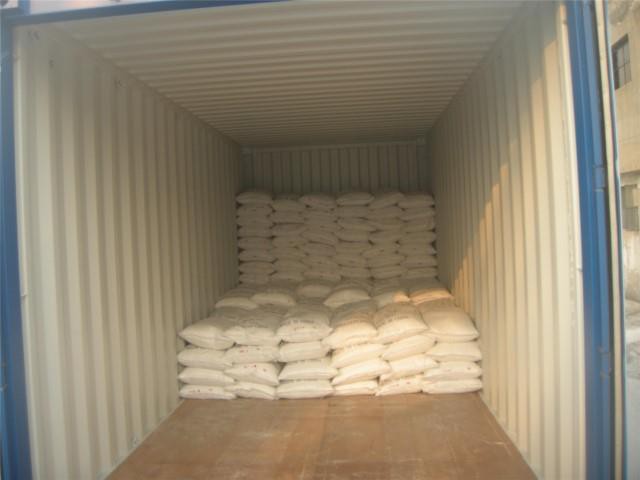

Neopentyl Glycol (NPG) is an organic compound used in the production of polyester resins, lubricants, and plasticizers. Its waste management should focus on minimizing its environmental impact, especially in terms of water pollution. Biological treatment may be a suitable option for NPG waste, as it can be biodegradable under certain conditions.
Dipentaerythritol is used in the production of explosives, plastics, and coatings. Waste management for dipentaerythritol should follow strict safety protocols due to its potential explosive properties. Incineration in specialized facilities may be a common method for its disposal, but careful handling and transportation are essential.
Conclusion
Proper waste management of formic acid is essential to protect the environment and human health. As a formic acid supplier, we are dedicated to providing our customers with the necessary information and support to ensure that their formic acid waste is managed in a safe and sustainable manner. Whether it is through recycling, neutralization, incineration, or biological treatment, we can help our customers choose the most appropriate waste management method based on their specific needs and local regulations.
If you are interested in purchasing formic acid or have any questions about formic acid waste management, please feel free to contact us for more information and to start a procurement negotiation. We look forward to serving you and helping you achieve your business goals while maintaining environmental responsibility.
References
- "Formic Acid: Properties, Production, and Applications" - Chemical Industry Journal
- "Environmental Impact of Hazardous Chemicals" - Environmental Science Review
- "Waste Management Regulations for Industrial Chemicals" - Government Environmental Agency Publications