

What are the storage conditions for Dipentaerythritol?
Oct 13, 2025
Hey there! As a dipentaerythritol supplier, I often get asked about the storage conditions for this chemical. So, I thought I'd write a blog post to share some insights on this topic.
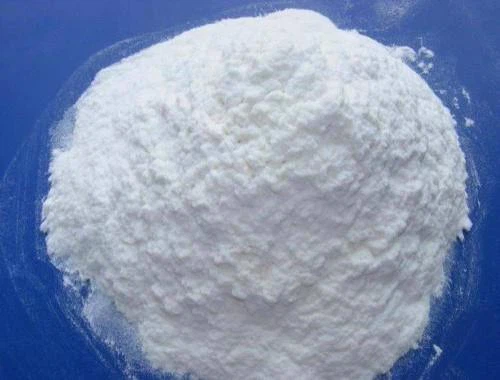
First off, let's talk a bit about dipentaerythritol. It's a white, crystalline powder that's widely used in various industries. It's an important intermediate in the production of many chemicals, including alkyd resins, polyurethanes, and synthetic lubricants. Compared to Pentaerythritol, dipentaerythritol has different chemical properties and applications, but they are both valuable in the chemical market. And it also has some connections with other chemicals like BPA and Neopentyl Glycol(NPG) in the overall chemical supply chain.
Now, let's dive into the storage conditions.
Temperature
Temperature is a crucial factor when it comes to storing dipentaerythritol. Generally, it should be stored in a cool environment. The ideal temperature range is between 10°C and 30°C. Why this range? Well, if the temperature is too high, say above 30°C, dipentaerythritol may start to degrade. High temperatures can accelerate chemical reactions, which might lead to the formation of impurities or change the chemical structure of dipentaerythritol. On the other hand, if it's stored at a very low temperature, like below 10°C, it could become more brittle and might form lumps. These lumps can be a hassle when it comes to handling and using the chemical later. You don't want to deal with a solid block of dipentaerythritol when you need to use it in your production process, right?
Humidity
Humidity also plays a big role in storage. Dipentaerythritol is hygroscopic, which means it can absorb moisture from the air. If the storage area has high humidity, the chemical will soak up the water. This can cause several problems. For one, the absorbed water can lead to clumping. The powder will stick together, making it difficult to measure and use accurately. Moreover, the presence of water can initiate chemical reactions that are not desirable. It might react with other substances in the environment or even with itself over time. So, it's best to keep the relative humidity in the storage area below 60%. You can use dehumidifiers in the storage facility to control the humidity level. This way, you can ensure that the dipentaerythritol remains in its pure and usable form.
Light
Light, especially direct sunlight, can have a negative impact on dipentaerythritol. Ultraviolet (UV) rays in sunlight can cause photochemical reactions. These reactions can break down the chemical bonds in dipentaerythritol, altering its properties. To prevent this, the storage area should be dark or at least shielded from direct sunlight. You can use opaque containers or store the chemical in a room with blackout curtains. This simple step can go a long way in maintaining the quality of dipentaerythritol over time.

Ventilation
Good ventilation is essential in the storage area. Dipentaerythritol, like many chemicals, can release small amounts of vapors. If these vapors accumulate in a poorly ventilated space, it can create a potentially hazardous environment. Inhaling these vapors can be harmful to health, and there's also a risk of explosion if the concentration of vapors reaches a certain level. So, make sure the storage area has proper ventilation systems. These can be natural ventilation, like windows and vents, or mechanical ventilation, such as exhaust fans. The ventilation should be designed to remove any vapors quickly and keep the air fresh.
Packaging
The right packaging is also key to proper storage. Dipentaerythritol should be stored in sealed containers. This helps to prevent moisture, air, and light from getting in. Usually, it comes in plastic-lined drums or bags. The plastic lining acts as an additional barrier against moisture and other contaminants. When you receive the dipentaerythritol, make sure the packaging is intact. If there are any signs of damage, like holes or tears, transfer the chemical to a new, sealed container as soon as possible.
Compatibility
Another important aspect is the compatibility of dipentaerythritol with other substances. It should not be stored near incompatible chemicals. For example, it should be kept away from strong oxidizing agents. Oxidizing agents can react vigorously with dipentaerythritol, leading to fire or explosion. Also, avoid storing it with acids or bases that might react with it. Make sure to label the storage area clearly and keep different chemicals separated according to their compatibility.
Storage Location
The location of the storage facility matters too. It should be a dry and clean place. Avoid areas that are prone to flooding or where there's a lot of dust. The floor should be level and strong enough to support the weight of the stored dipentaerythritol. Also, keep it away from sources of heat, like boilers or furnaces. And make sure the storage area is easily accessible for handling and inventory management.
Monitoring
Regular monitoring of the storage conditions is necessary. You should check the temperature, humidity, and the appearance of the dipentaerythritol regularly. Use thermometers and hygrometers to measure the temperature and humidity. If you notice any changes in the chemical, like discoloration or a strange odor, it could be a sign of a problem. In such cases, take immediate action, like checking the storage conditions or consulting a chemical expert.
In conclusion, proper storage of dipentaerythritol is essential to maintain its quality and safety. By following these storage conditions, you can ensure that the dipentaerythritol you purchase from us remains in top-notch condition until you're ready to use it.
If you're in the market for high-quality dipentaerythritol, we're here to help. We have a wide range of dipentaerythritol products that meet industry standards. Whether you need it for alkyd resin production, polyurethane manufacturing, or any other application, we can provide you with the right quantity and quality. Don't hesitate to reach out to us for more information or to start a procurement discussion. We're always happy to assist you!
References
- Chemical Safety Data Sheets for Dipentaerythritol
- Industry best practices for chemical storage