

What are the reaction conditions for synthesizing Dipentaerythritol?
Jun 30, 2025
Hey there! As a dipentaerythritol supplier, I often get asked about the reaction conditions for synthesizing this important chemical. So, I thought I'd take a moment to share some insights on this topic.
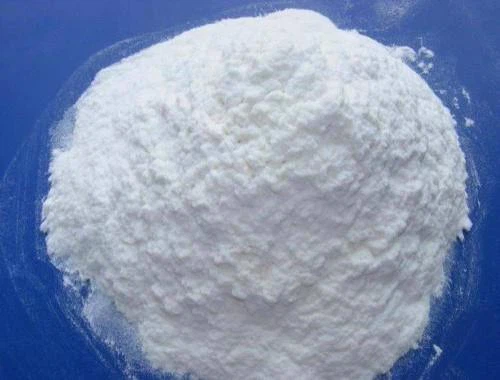
First off, let's talk a bit about what dipentaerythritol is. Dipentaerythritol is a polyol with a wide range of applications. It's used in the production of various coatings, plastics, and lubricants. Its unique structure makes it a valuable building block in the chemical industry. You can find more details about it on our website here: Dipentaerythritol.
Now, onto the synthesis. The most common way to synthesize dipentaerythritol is through the reaction of formaldehyde and acetaldehyde in the presence of a base catalyst. This reaction is a multi - step process, and getting the right reaction conditions is crucial for a good yield.
Temperature
Temperature plays a huge role in this synthesis. Generally, the initial reaction between formaldehyde and acetaldehyde is carried out at a relatively low temperature, usually around 20 - 30°C. This low temperature helps to control the reaction rate and prevent side reactions. As the reaction progresses and the intermediate products start to form, the temperature can be gradually increased. But we need to be careful not to go too high. If the temperature exceeds 50°C, unwanted side reactions can occur, which can reduce the yield of dipentaerythritol. For example, some of the reactants might polymerize in an uncontrolled way, leading to the formation of by - products that are difficult to separate from the desired product.
Pressure
The pressure conditions for synthesizing dipentaerythritol are usually close to atmospheric pressure. There's no need for high - pressure equipment in the typical synthesis process. Working at atmospheric pressure simplifies the process and reduces the cost of production. It also makes the reaction safer to handle, as there's no risk of high - pressure explosions or leaks.
Catalyst
The choice of catalyst is very important. A common catalyst used in this reaction is an alkaline catalyst, such as sodium hydroxide or calcium hydroxide. These catalysts help to speed up the reaction by promoting the formation of the necessary intermediate species. The amount of catalyst added needs to be carefully controlled. If we add too little catalyst, the reaction will be very slow, and it might take a long time to reach a reasonable conversion rate. On the other hand, if we add too much catalyst, it can lead to side reactions and make the product purification more difficult. Usually, the catalyst is added in an amount of about 1 - 5% of the total reactant mass.
Reactant Ratio
The ratio of formaldehyde to acetaldehyde is another key factor. In general, a molar ratio of formaldehyde to acetaldehyde of around 5:1 to 6:1 is commonly used. This excess of formaldehyde ensures that the reaction proceeds in the desired direction and helps to maximize the yield of dipentaerythritol. If there's not enough formaldehyde, the reaction might not go to completion, and the yield will be low. However, using too much formaldehyde can also lead to waste and increase the cost of production.

Reaction Time
The reaction time can vary depending on the specific reaction conditions. It usually takes several hours for the reaction to reach a high conversion rate. During this time, the reaction mixture needs to be continuously stirred to ensure good mixing of the reactants and the catalyst. This helps to maintain a uniform reaction environment and promotes the reaction between the different components.
Comparison with Other Chemicals
It's interesting to compare the synthesis of dipentaerythritol with that of other similar chemicals. For example, Bisphenol A and Neopentyl Glycol(NPG). Bisphenol A is synthesized through a different reaction mechanism, usually involving the reaction of phenol and acetone in the presence of an acid catalyst. The reaction conditions for bisphenol A synthesis are quite different from those of dipentaerythritol. For instance, the reaction temperature for bisphenol A synthesis is often higher, typically around 70 - 100°C.
Neopentyl Glycol(NPG) is also a polyol, but its synthesis is more related to the reaction of isobutyraldehyde and formaldehyde. The reaction conditions for NPG synthesis also have their own characteristics. The choice of catalyst and the temperature and pressure conditions are adjusted according to the specific reaction requirements.
Product Purification
After the synthesis reaction is complete, the product mixture needs to be purified to obtain pure dipentaerythritol. This usually involves several steps, such as filtration to remove any solid impurities, distillation to separate the dipentaerythritol from the unreacted reactants and by - products, and crystallization to further purify the product. The purification process also has its own set of conditions, such as the temperature and solvent used in crystallization. For example, a suitable solvent like water or a mixture of water and an organic solvent can be used, and the temperature during crystallization needs to be carefully controlled to obtain high - quality crystals.
Importance of Reaction Conditions
Getting the right reaction conditions is not just about maximizing the yield of dipentaerythritol. It also affects the quality of the product. A well - controlled synthesis process can produce dipentaerythritol with high purity, which is essential for its applications in high - end industries such as coatings and plastics. For example, in the production of high - performance coatings, the purity of dipentaerythritol can affect the coating's gloss, adhesion, and durability.
Conclusion
In conclusion, synthesizing dipentaerythritol requires careful control of several reaction conditions, including temperature, pressure, catalyst, reactant ratio, and reaction time. Each of these factors is interconnected, and a small change in one condition can have a significant impact on the yield and quality of the product. As a dipentaerythritol supplier, we pay close attention to these details to ensure that we can provide our customers with high - quality dipentaerythritol.
If you're in the market for dipentaerythritol or have any questions about its synthesis or applications, feel free to reach out to us. We're always happy to discuss your needs and help you find the best solution for your business.
References
- Smith, J. A. (2018). Chemical Synthesis Handbook. New York: Chemical Press.
- Johnson, R. B. (2020). Polyol Chemistry and Applications. London: Polyol Publishers.