

How does pentaerythritol perform under high - temperature conditions?
Jul 29, 2025
Hey there! As a pentaerythritol supplier, I've gotten a ton of questions about how this chemical performs under high-temperature conditions. So, I thought I'd sit down and share everything I know on the topic.
First off, let's talk a bit about what pentaerythritol is. Pentaerythritol is a white, crystalline powder that's used in a whole bunch of industries. You can learn more about it on our website Pentaerythritol. It's super versatile and can be found in things like paints, coatings, lubricants, and even some plastics.
Now, let's dive into the high-temperature performance. When pentaerythritol is exposed to high temperatures, its physical and chemical properties start to change. One of the first things you'll notice is that it begins to melt. The melting point of pentaerythritol is around 260 - 262°C. Once it hits this temperature, it turns from a solid into a liquid.
But it doesn't stop there. As the temperature keeps rising, pentaerythritol starts to undergo some chemical reactions. One of the main reactions is decomposition. At temperatures above its melting point, pentaerythritol breaks down into smaller molecules. This decomposition can release some volatile compounds, which is something you need to be careful about, especially in industrial settings.

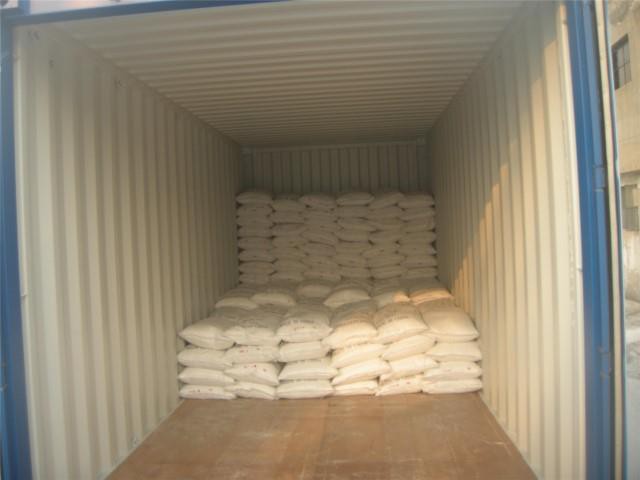
The rate of decomposition depends on a few factors. The purity of the pentaerythritol matters a lot. Higher purity pentaerythritol tends to be more stable at high temperatures and decomposes more slowly. The presence of other substances can also affect the decomposition rate. For example, if there are impurities or catalysts in the pentaerythritol, it can speed up the decomposition process.
In some applications, the decomposition of pentaerythritol can actually be useful. For instance, in the production of certain types of foams, the decomposition of pentaerythritol at high temperatures can help create the desired foam structure. The gas released during decomposition can act as a blowing agent, expanding the foam and giving it its characteristic texture.
However, in other applications, the decomposition can be a problem. In coatings and paints, for example, if the pentaerythritol decomposes too quickly at high temperatures, it can affect the quality and durability of the coating. The coating might lose its adhesion, become brittle, or develop a rough surface.
Another aspect to consider is the compatibility of pentaerythritol with other chemicals at high temperatures. Pentaerythritol is often used in combination with other substances in various formulations. Some chemicals can react with pentaerythritol at high temperatures, leading to unwanted side reactions. For example, BPA is sometimes used in conjunction with pentaerythritol in certain plastics. At high temperatures, there could be potential interactions between the two, which might affect the properties of the final product.
When it comes to handling pentaerythritol at high temperatures, safety is key. You need to make sure you have the right equipment and procedures in place. Since the decomposition of pentaerythritol can release volatile and potentially harmful compounds, proper ventilation is essential. You should also wear appropriate protective gear, like gloves and goggles, to prevent any contact with the hot pentaerythritol or its decomposition products.
Now, let's talk about some of the related compounds. Dipentaerythritol is a derivative of pentaerythritol. It has a similar structure but with some differences in its properties. Dipentaerythritol generally has a higher melting point and is more stable at high temperatures compared to pentaerythritol. This makes it a better choice for applications where higher temperature resistance is required.
In the market, the demand for pentaerythritol and its derivatives is constantly growing. Industries are always looking for ways to improve the performance of their products at high temperatures. That's where our high-quality pentaerythritol comes in. We've been supplying pentaerythritol for years, and we know how to ensure its quality and performance, especially under high-temperature conditions.
If you're in the market for pentaerythritol or have any questions about its high-temperature performance, don't hesitate to reach out. Whether you're working on a small project or a large industrial application, we can provide you with the right product and technical support. We're here to help you make the most of pentaerythritol in your processes.
So, if you're interested in learning more or want to start a procurement discussion, just drop us a line. We're ready to have a chat and see how we can meet your pentaerythritol needs.
References
- Chemical Engineering Handbook
- Industrial Organic Chemistry textbooks