

How does pentaerythritol improve the performance of construction materials?
Jul 15, 2025
In the dynamic world of construction, the pursuit of high - performance materials is a never - ending journey. As a dedicated pentaerythritol supplier, I've witnessed firsthand how this remarkable chemical compound can revolutionize the construction industry. This blog post aims to delve into the various ways pentaerythritol enhances the performance of construction materials.
Chemical Structure and Properties of Pentaerythritol
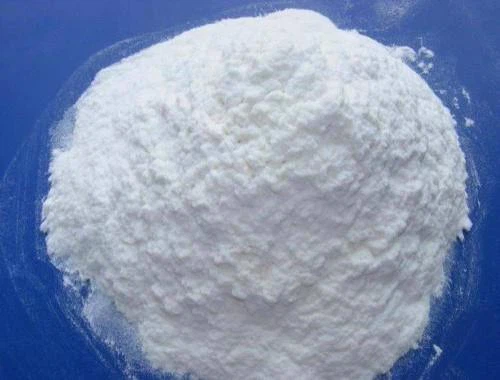
Pentaerythritol has a unique chemical structure, with a central carbon atom bonded to four hydroxymethyl groups (-CH₂OH). This structure gives it several interesting properties that are highly beneficial in construction applications. It is a white, crystalline solid that is soluble in water and has a relatively high melting point. These physical properties contribute to its stability and versatility in different construction scenarios. Pentaerythritol is also known for its low toxicity, which is an important factor when considering materials for construction, especially in environments where human health and safety are of utmost concern.
Enhancing Durability
One of the primary ways pentaerythritol improves construction materials is by enhancing their durability. When added to concrete, for example, pentaerythritol can act as a cross - linking agent. In concrete, the hydration process of cement forms a complex network of calcium silicate hydrates. Pentaerythritol can react with certain components in the cement matrix, creating additional chemical bonds. These bonds strengthen the overall structure of the concrete, making it more resistant to cracking, abrasion, and chemical attack.
In addition, pentaerythritol can improve the resistance of concrete to freeze - thaw cycles. In cold climates, water that penetrates into the pores of concrete can freeze and expand, causing internal stress and eventually leading to cracking. Pentaerythritol can modify the pore structure of concrete, reducing the size and connectivity of pores. This makes it more difficult for water to enter the concrete, thus minimizing the damage caused by freeze - thaw cycles. Studies have shown that concrete with pentaerythritol additives can have a significantly longer service life compared to traditional concrete, which is a huge advantage for long - term construction projects.
Improving Adhesion
Adhesion is a crucial property in construction, especially when it comes to coatings, adhesives, and composite materials. Pentaerythritol can be used as a raw material in the synthesis of adhesives and coatings. Its hydroxyl groups can participate in chemical reactions such as esterification and condensation, forming strong bonds with various substrates.
For example, in epoxy coatings, pentaerythritol can be incorporated into the resin system. The resulting epoxy - pentaerythritol resin has improved adhesion to concrete, metal, and other construction surfaces. This is because the chemical structure of pentaerythritol allows it to interact with the surface molecules of the substrate, creating a strong and durable bond. In construction applications, good adhesion is essential for preventing the delamination of coatings and the failure of adhesives, which can lead to aesthetic and structural problems.
Flame Retardancy
Flame retardancy is a critical requirement for many construction materials, especially in buildings where fire safety is a top priority. Pentaerythritol can be used in the production of flame - retardant additives. When combined with other chemicals such as phosphorous - based compounds, pentaerythritol can form intumescent flame - retardant systems.

In case of a fire, these intumescent systems expand and form a char layer on the surface of the material. This char layer acts as a thermal barrier, preventing the spread of fire and reducing the release of heat and toxic gases. Construction materials such as insulation boards, cables, and wall panels can benefit from the addition of pentaerythritol - based flame - retardant additives. By improving the fire - resistance of these materials, pentaerythritol helps to enhance the overall fire safety of buildings.
Comparison with Other Chemicals
It's useful to compare pentaerythritol with other chemicals commonly used in construction materials. Neopentyl Glycol(NPG) and Bisphenol A are two such chemicals.
Neopentyl glycol is also used in the production of coatings and resins. However, compared to pentaerythritol, it may have different reactivity and physical properties. Pentaerythritol's four hydroxyl groups give it a higher functionality, which can lead to more extensive cross - linking and stronger chemical bonds in the final product. This can result in better performance in terms of durability and adhesion.
Bisphenol A has been widely used in the production of polycarbonates and epoxy resins. However, concerns have been raised about its potential health effects, especially its endocrine - disrupting properties. Pentaerythritol, on the other hand, is relatively low in toxicity and has a better environmental profile. This makes it a more attractive option for construction applications where human health and environmental sustainability are important considerations.
Cost - Effectiveness
From a cost - effectiveness perspective, pentaerythritol offers significant advantages. Although the initial cost of adding pentaerythritol to construction materials may be slightly higher, the long - term benefits far outweigh the additional expense. The enhanced durability, improved adhesion, and flame retardancy provided by pentaerythritol can reduce maintenance costs, extend the service life of construction materials, and enhance the safety of buildings.
For example, in a large - scale construction project, the use of pentaerythritol - enhanced concrete can reduce the need for frequent repairs and replacements. This not only saves money but also minimizes the disruption to the building's operation. In addition, the improved fire - resistance of materials can lower insurance premiums, further contributing to cost savings.
Conclusion
In conclusion, pentaerythritol is a versatile and valuable chemical compound that can significantly improve the performance of construction materials. Its ability to enhance durability, improve adhesion, provide flame retardancy, and offer cost - effectiveness makes it an ideal choice for a wide range of construction applications.
As a pentaerythritol supplier, I am committed to providing high - quality products and technical support to the construction industry. If you are interested in exploring how pentaerythritol can enhance your construction materials, I encourage you to reach out for a discussion. Whether you are a contractor, an architect, or a materials manufacturer, we can work together to find the best solutions for your specific needs.
References
- Smith, J. (2018). "Advances in Construction Materials Chemistry". Springer.
- Johnson, R. (2019). "The Role of Additives in Concrete Durability". Journal of Construction Materials Research.
- Brown, A. (2020). "Flame - Retardant Systems in Building Materials". Fire Safety Journal.