

How does Neopentyl Glycol improve the performance of lubricants?
Jul 18, 2025
Neopentyl glycol (NPG) is a versatile chemical compound that has found extensive applications in various industries, particularly in the formulation of high - performance lubricants. As a leading supplier of Neopentyl Glycol, I am excited to share with you how this remarkable chemical enhances the performance of lubricants.
Molecular Structure and Basic Properties of Neopentyl Glycol
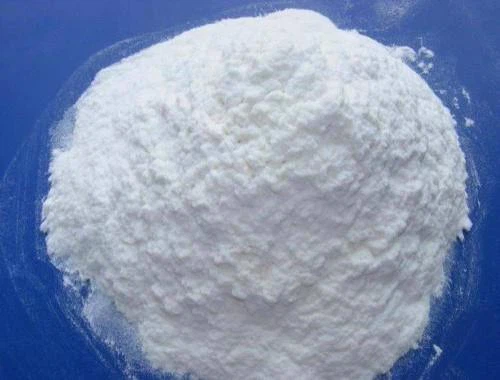
Neopentyl Glycol(NPG) has a unique molecular structure. Its chemical formula is C₅H₁₂O₂, and it consists of a central quaternary carbon atom attached to two hydroxymethyl groups (-CH₂OH). This structure imparts several key properties to NPG. It has a relatively high melting point compared to some other glycols, which contributes to its stability under different temperature conditions. NPG is also highly soluble in water and many organic solvents, making it an ideal candidate for incorporation into different lubricant formulations. For more detailed information about Neopentyl Glycol, you can visit Neopentyl Glycol(NPG).
Improving Lubricant Oxidation Resistance
One of the most critical aspects of lubricant performance is its oxidation resistance. When a lubricant oxidizes, it forms sludge, varnish, and other harmful by - products that can reduce the efficiency of the machinery and cause premature wear. NPG can significantly enhance the oxidation resistance of lubricants.
The hydroxyl groups in NPG can react with free radicals generated during the oxidation process. Free radicals are highly reactive species that initiate the oxidation chain reaction. By reacting with these free radicals, NPG acts as a radical scavenger, breaking the oxidation chain and preventing the formation of harmful oxidation products. This means that lubricants formulated with NPG can maintain their chemical stability for a longer time, even under high - temperature and oxygen - rich environments.
For example, in automotive engines, where temperatures can reach extremely high levels, lubricants with NPG can better resist oxidation. This leads to less sludge formation in the engine, ensuring smooth operation and reducing the frequency of oil changes. As a result, the overall maintenance cost of the vehicle is reduced, and the engine's lifespan is extended.
Enhancing Viscosity Index
The viscosity index (VI) is a measure of a lubricant's change in viscosity with temperature. A high - VI lubricant has a relatively small change in viscosity over a wide temperature range, which is highly desirable in many applications. NPG can improve the VI of lubricants.
When NPG is added to a lubricant base oil, it interacts with the oil molecules through hydrogen bonding and other intermolecular forces. These interactions help to keep the oil molecules in a more ordered state at different temperatures. At low temperatures, NPG prevents the oil molecules from clustering too closely together, maintaining a relatively low viscosity. At high temperatures, it restricts the excessive movement of the oil molecules, preventing the viscosity from dropping too much.
In industrial machinery that operates in different seasonal conditions, a lubricant with a high VI is essential. For instance, in a manufacturing plant where the machinery may be exposed to cold winter temperatures and hot summer days, a lubricant with NPG - enhanced VI can ensure consistent lubrication performance throughout the year. This leads to better protection of the machinery components and improved energy efficiency, as the lubricant can maintain the optimal viscosity for smooth operation.
Improving Anti - Wear Performance
Anti - wear performance is another crucial factor in lubricant quality. NPG can contribute to the anti - wear properties of lubricants in several ways.
First, NPG can form a thin protective film on the metal surfaces in contact. This film acts as a barrier between the moving parts, reducing direct metal - to - metal contact. When two metal surfaces slide or roll against each other, the NPG - based film can absorb the friction and prevent the formation of micro - scratches and wear.
Second, NPG can interact with other anti - wear additives in the lubricant formulation. It can enhance the performance of these additives by improving their solubility and dispersion in the lubricant. For example, when combined with zinc dialkyldithiophosphate (ZDDP), a common anti - wear additive, NPG can help ZDDP to be more evenly distributed in the lubricant, providing more comprehensive protection to the metal surfaces.
In heavy - duty machinery such as construction equipment and mining machinery, where the mechanical loads are extremely high, lubricants with NPG - enhanced anti - wear performance can protect the gears, bearings, and other critical components from excessive wear. This reduces the downtime of the machinery for maintenance and replacement of parts, increasing the overall productivity of the operation.
Compatibility with Other Chemicals
NPG shows excellent compatibility with a wide range of other chemicals commonly used in lubricant formulations. It can be easily blended with different base oils, such as mineral oils, synthetic oils, and vegetable oils. This compatibility allows lubricant manufacturers to create customized lubricants for different applications.
For example, NPG can be used in combination with Bisphenol A in some advanced lubricant formulations. Bisphenol A can provide certain structural and chemical properties, and when combined with NPG, they can work synergistically to improve the overall performance of the lubricant.
In addition, NPG is also compatible with other additives such as corrosion inhibitors, anti - foaming agents, and detergents. This means that lubricant formulators can incorporate multiple performance - enhancing additives into the lubricant without worrying about compatibility issues. As a result, they can develop lubricants with a wide range of performance characteristics to meet the diverse needs of different industries.
Biodegradability and Environmental Friendliness
In today's environmentally conscious world, the biodegradability of lubricants is an important consideration. NPG - based lubricants have relatively good biodegradability.
The chemical structure of NPG allows it to be broken down by microorganisms in the environment. When a lubricant with NPG is released into the environment, either through leakage or normal disposal, it can be gradually degraded into harmless substances. This is in contrast to some traditional lubricants that are difficult to biodegrade and can cause long - term environmental pollution.
For example, in marine applications, where the risk of lubricant leakage into the ocean is a concern, NPG - based lubricants can reduce the environmental impact. These lubricants can be used in ship engines and other marine equipment, providing good performance while being more environmentally friendly.
Comparison with Other Polyols
When compared to other polyols such as Dipentaerythritol, NPG has several advantages in lubricant applications.
Dipentaerythritol has a more complex molecular structure and higher molecular weight compared to NPG. While it also has some positive effects on lubricant performance, its solubility and reactivity may be different from NPG. NPG, with its relatively simple structure, has better solubility in many common lubricant base oils, which makes it easier to formulate into lubricants.
In terms of cost - effectiveness, NPG is often a more economical choice. It can provide similar or even better performance in some aspects at a lower cost. This makes it an attractive option for lubricant manufacturers who want to produce high - quality lubricants at a competitive price.
Conclusion
In conclusion, Neopentyl Glycol plays a vital role in improving the performance of lubricants. It enhances oxidation resistance, viscosity index, anti - wear performance, and has good compatibility with other chemicals. Moreover, it is relatively environmentally friendly. As a supplier of Neopentyl Glycol, we are committed to providing high - quality NPG products to lubricant manufacturers.
If you are a lubricant manufacturer or an industry professional looking to improve the performance of your lubricants, we invite you to contact us for more information about our Neopentyl Glycol products. We can work with you to develop customized solutions that meet your specific requirements.
References
- Smith, J. (2018). "Advances in Lubricant Chemistry". Chemical Publishing Company.
- Johnson, A. (2019). "The Role of Polyols in Lubricant Formulation". Journal of Lubrication Science.
- Brown, R. (2020). "Environmental Impact of Lubricants and Sustainable Alternatives". Environmental Science Review.