

How does Bisphenol A affect the function of the parathyroid glands?
Jul 25, 2025
Bisphenol A (BPA) is a well - known industrial chemical that has been widely used in the production of polycarbonate plastics and epoxy resins. As a Bisphenol A supplier, I have witnessed its extensive application in various industries. However, in recent years, there has been growing concern about its potential impact on human health, especially on the function of the parathyroid glands.
1. Introduction to Bisphenol A
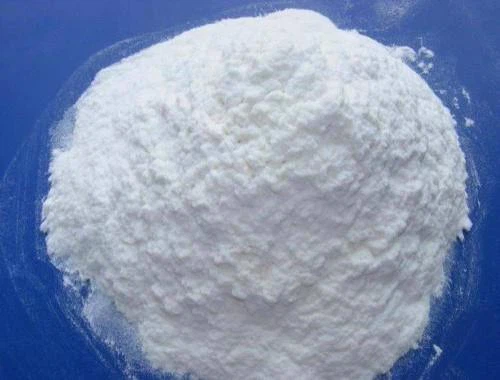
Bisphenol A, with the chemical formula (C_{15}H_{16}O_{2}), is a synthetic organic compound. It is commonly found in products such as food and beverage containers, baby bottles, and some dental sealants. Its widespread use is due to its excellent properties, including high transparency, heat resistance, and mechanical strength. You can find more detailed information about Bisphenol A on our website Bisphenol A.

2. Overview of the Parathyroid Glands
The parathyroid glands are small, pea - sized glands located in the neck, usually behind the thyroid gland. They play a crucial role in maintaining calcium homeostasis in the body. The parathyroid glands secrete parathyroid hormone (PTH), which regulates the levels of calcium, phosphorus, and vitamin D in the blood. When blood calcium levels are low, the parathyroid glands release PTH, which stimulates the release of calcium from bones, increases calcium reabsorption in the kidneys, and promotes the activation of vitamin D to enhance calcium absorption from the intestines.
3. How Bisphenol A May Affect the Parathyroid Glands
3.1. Endocrine - Disrupting Properties
Bisphenol A is classified as an endocrine disruptor. It can mimic or interfere with the action of natural hormones in the body. Studies have shown that BPA can bind to estrogen receptors, although with a lower affinity compared to natural estrogens. This binding can disrupt the normal hormonal signaling pathways. In the context of the parathyroid glands, the hormonal balance is essential for the proper secretion of PTH. Disruption of estrogen - related signaling pathways by BPA may indirectly affect the parathyroid gland function. For example, estrogen has been shown to have an influence on calcium metabolism and parathyroid gland activity. If BPA interferes with estrogen signaling, it could potentially lead to abnormal PTH secretion.
3.2. Direct Effects on Parathyroid Cells
Some in vitro studies have investigated the direct effects of BPA on parathyroid cells. These studies have found that BPA can alter the gene expression and protein synthesis in parathyroid cells. Exposure to BPA may change the sensitivity of parathyroid cells to calcium levels. In normal conditions, parathyroid cells sense the extracellular calcium concentration through calcium - sensing receptors (CaSR). BPA may interfere with the function of CaSR, leading to inappropriate PTH secretion. For instance, if the CaSR is not functioning properly due to BPA exposure, the parathyroid cells may not accurately detect low calcium levels, resulting in abnormal PTH release.
3.3. Impact on Calcium Homeostasis
Since the parathyroid glands are responsible for maintaining calcium homeostasis, any disruption of their function by BPA can have significant consequences for calcium levels in the body. Chronic exposure to BPA may lead to abnormal calcium metabolism. For example, if BPA causes over - secretion of PTH, it could result in excessive calcium release from bones, leading to osteoporosis over time. On the other hand, if PTH secretion is inhibited, it may lead to hypocalcemia, which can cause symptoms such as muscle cramps, numbness, and tingling.
4. Evidence from Animal and Human Studies
4.1. Animal Studies
Numerous animal studies have provided evidence of the potential effects of BPA on the parathyroid glands. In rodent models, exposure to BPA has been associated with changes in parathyroid gland morphology and PTH secretion. For example, some studies have reported an increase in parathyroid gland weight and altered PTH levels in rats exposed to BPA. These changes were often accompanied by abnormal calcium and phosphorus levels in the blood.
4.2. Human Studies
Although human studies are more challenging to conduct due to ethical and methodological limitations, some epidemiological studies have suggested a link between BPA exposure and parathyroid - related disorders. For example, in populations with high environmental BPA exposure, there has been an increased prevalence of abnormal calcium metabolism and parathyroid - related symptoms. However, it is important to note that human studies often face confounding factors, such as diet, lifestyle, and other environmental exposures, which make it difficult to establish a direct causal relationship.
5. Mitigation and Considerations for BPA Suppliers
As a Bisphenol A supplier, it is our responsibility to be aware of the potential health risks associated with our product. We need to ensure that the use of BPA is in accordance with relevant safety regulations. At the same time, we can also explore alternative products. For example, Dipentaerythritol and Neopentyl Glycol(NPG) are chemicals that can be used in some applications where BPA is currently used. These alternatives may have a lower potential for endocrine - disrupting effects.
6. Conclusion and Call to Action
In conclusion, Bisphenol A has the potential to affect the function of the parathyroid glands through its endocrine - disrupting properties and direct effects on parathyroid cells. Although more research is needed to fully understand the extent of these effects, the existing evidence raises concerns about the long - term health impacts of BPA exposure.
As a Bisphenol A supplier, we are committed to providing high - quality products while also being vigilant about the potential health risks. We encourage our customers to have an in - depth understanding of the properties and potential impacts of BPA. If you are interested in our Bisphenol A products or want to discuss alternative chemical solutions, please feel free to contact us for procurement and further discussions.
References
- Colborn, T., vom Saal, F. S., & Soto, A. M. (1993). Developmental effects of endocrine - disrupting chemicals in wildlife and humans. Environmental Health Perspectives, 101(5), 378 - 384.
- Grandjean, P., & Landrigan, P. J. (2006). Developmental neurotoxicity of industrial chemicals. The Lancet, 368(9553), 2167 - 2178.
- Vandenberg, L. N., Colborn, T., Hayes, T. B., Heindel, J. J., Jacobs, D. R., Lee, D. H., ... & Zoeller, R. T. (2012). Hormones and endocrine - disrupting chemicals: Low - dose effects and nonmonotonic dose responses. Endocrine Reviews, 33(3), 378 - 455.